

As one of the five gosekku (五節句, seasonal festivals) in Japan, Hinamatsuri is held on the 3rd March following the Japanese tradition to celebrate auspicious days of the year (i.e. the first day of the first month, third of the third month, the fifth of the fifth, and so on). Here at Japan Centre, we’ve got the perfect sweets and treats to celebrate the day yourself!
The sweet stuff
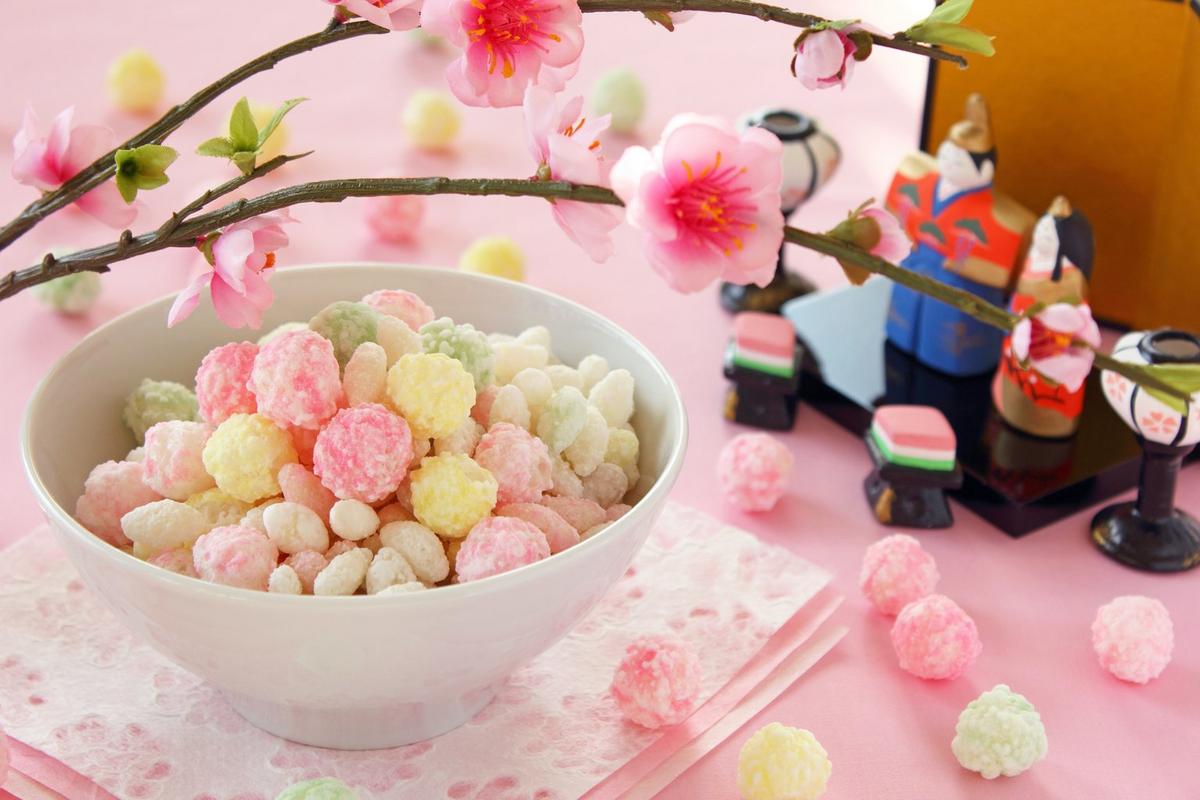
Serving as a traditional girl’s day celebration, Hinamatsuri and the days preceding it, is a period in which Japanese girls usually hold parties with their friends and families. Foods made to celebrate the day range from hina-arare (雛あられ, rice crackers), chirashizushi (ちらし寿司, sushi served in a bowl or bento), hishi mochi (菱餅, multicoloured rice cakes), ichigo daifuku (イチゴ大福, strawberries wrapped in adzuki red bean paste), and ushiojiru (うしお汁, clam soup) with amazake (甘酒, sweet non-alcoholic sake) traditionally served to celebrate the day.
Hina-arare are highly popular in Japan due to their sweet taste and cute and colourful packaging. With a wide range of flavours and designs to feast your eyes on, hina-arare have become an adorable staple of what it means to celebrate Hinamatsuri in modern-day Japan.
Putting tradition on a pedestal
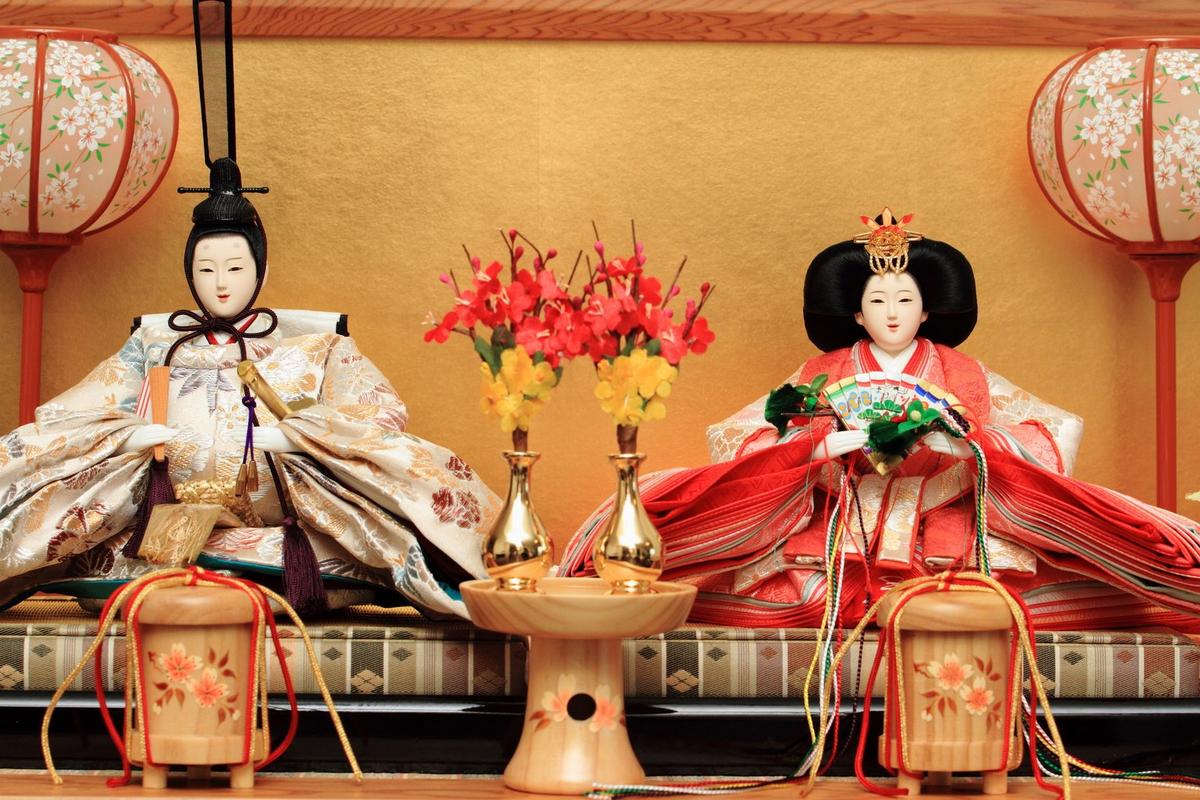
The more traditional side to Hinamatsuri celebrations is showcased through the displays of hina-ningyō (雛人形, ornamental Japanese dolls). The scene is meant to represent a Heian period wedding with the entire set of hinazakari (雛飾り, complete set of dolls) worth at least £1,200! While the horizontal order of the dolls varies from region to region, the order of the levels remains the same across the whole of Japan.
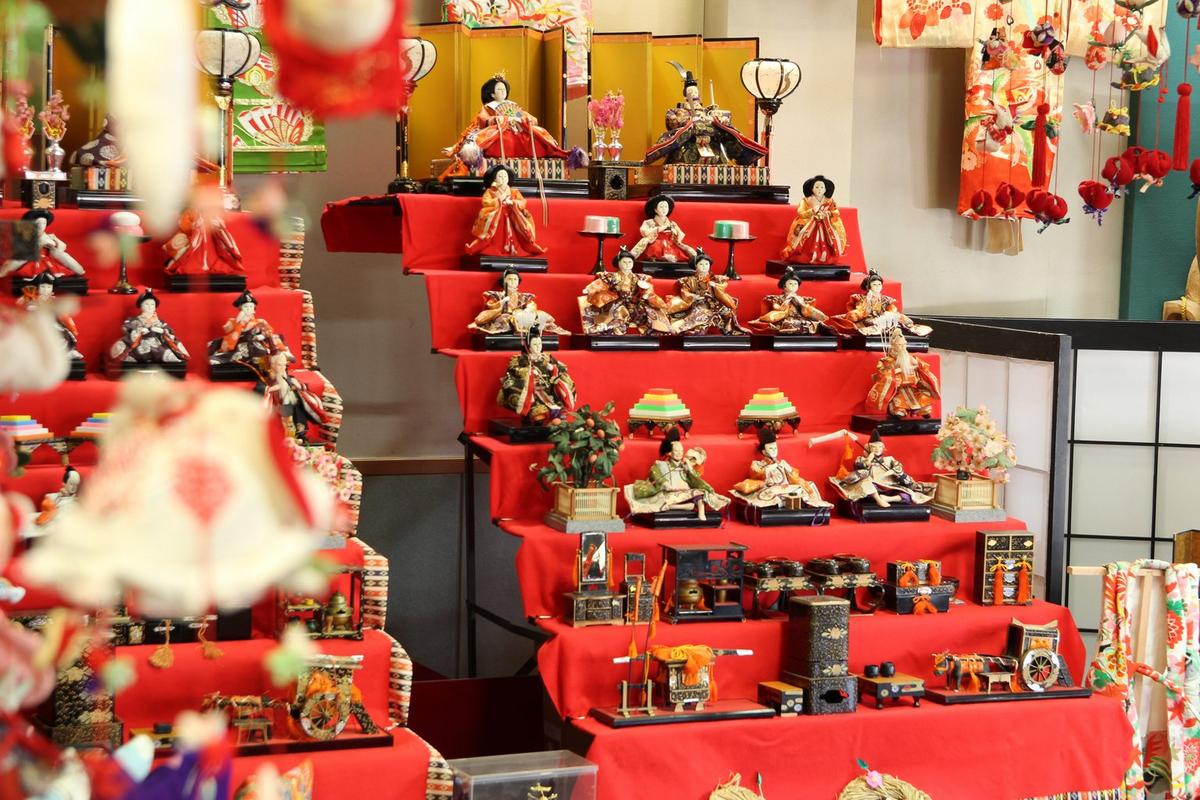
The levels are divided amongst the following:
- The top tier is reserved for two dolls known as the dairi-bina (内裏雛, imperial dolls, usually representing the Emperor and Empress) and the two are usually holding a ritual baton and fan. Sitting atop a layer of fabric called dankake (段掛) they’re known by a range of names – most commonly known as obina (男雛) and mebina (女雛) or tono (殿) and hime (姫).
- The second tier: holds san-nin kanjo (三人官女, three court ladies) with takatsuki (高坏, stands with round table-tops for seasonal sweets) between them
- The third tier: holds gonin bayashi (五人囃子, five male musicians) with the instruments like taiko (太鼓, small drum), ōtsuzumi (大鼓, large drum), kotsuzumi (小鼓, hand drum), fue (笛, flute) and utaikata (謡い方, singer)
- The fourth tier: holds two daijin (大臣, ministers) with ozen (お膳, covered bowl tables) and hishidai (菱台, diamond-shaped stands) between them
- The fifth tier: holds three shichō (仕丁, helpers) or eji (衛士, protectors) of the Emperor and Empress
- The sixth tier: holds items used in the palace like tansu (箪笥, a chest of drawers), nagamochi (長持, long chest for kimono storage), hasamibako (鋏箱, small clothing storage box), kyōdai (鏡台, mirror stand), haribako (針箱, sewing kit box), two hibachi (火鉢, braziers) and a set of ocha dōgu (お茶道具, tea ceremony utensils)
- The seventh and bottom tier: holds items used outside of the palace like jubako (重箱, laquered food boxes), gokago (ご加護, a palanquin), goshoguruma (御所車, an ox-drawn carriage) and sometimes a hanaguruma (花車, an ox-drawn cart of flowers)
Fun fact: the dolls themselves are meant to represent the hope and values of the Japanese population, fostering a sense of unity under the Imperial family. While this notion may have waned in recent times, the cultural aspect of Hinamatsuri remains ever strong.
Wash away the previous year
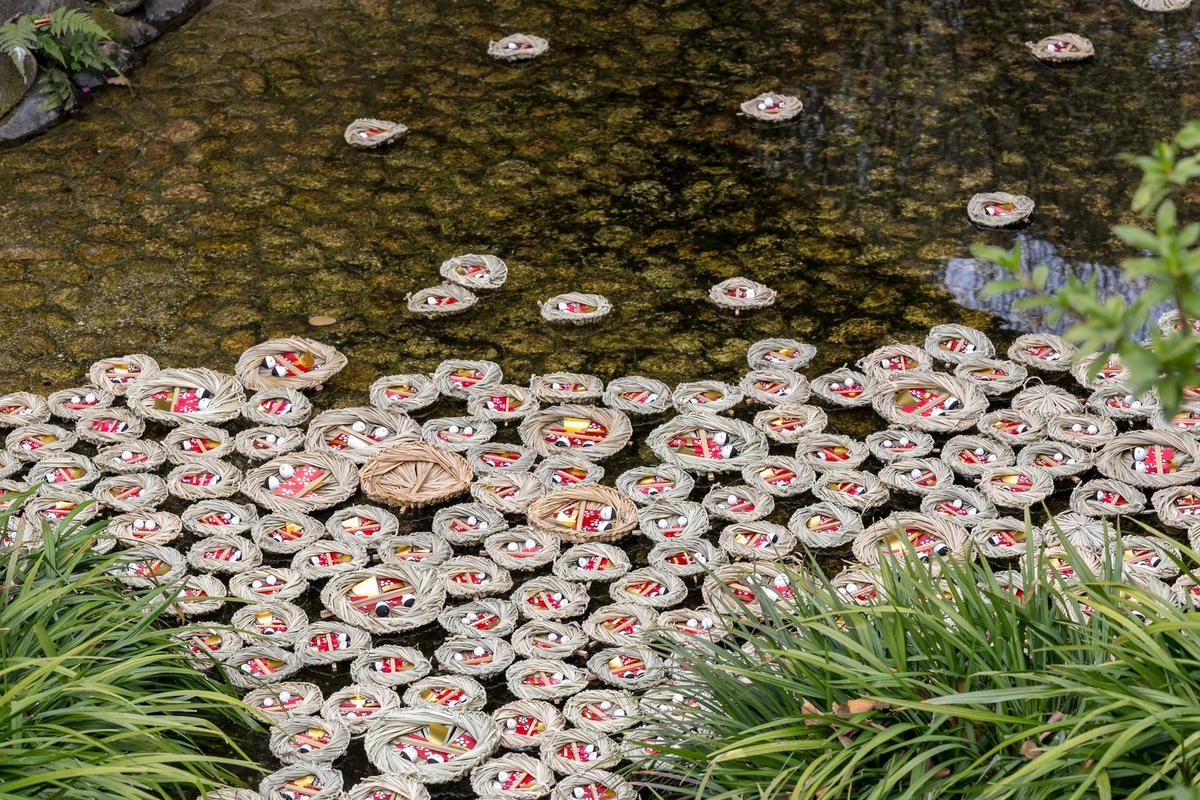
Another traditional aspect of Hinamatsuri is the nagashi-bina (流し雛, doll floating) ceremony in which participants make hina-ningyō out of folded paper or straw to send them on a small boat, usually made of straw, down a river.
The ceremony itself is held all over Japan and is seen as a way to wash away any impurities or sin a person has accumulated over the past year. Some places, such as the Nagashibina Doll Museum in Tottori City still follow the lunar calendar as was used before Japan adopted the Gregorian calendar.
Celebrate Hinamatsuri at home by shopping for Japanese food and ingredients at one of [our London stores](en/stores "Japan Centre stores in London"), or online at japancentre.com. Our [online recipe section](https://www.japancentre.com/en/cookings "Japan Centre recipes") is packed full of tasty sweet and savoury recipe ideas for all seasons and occasions!
This article appears in
- Japanese culture and lifestyle
More inspiration...よりたくさんのインスピレーション
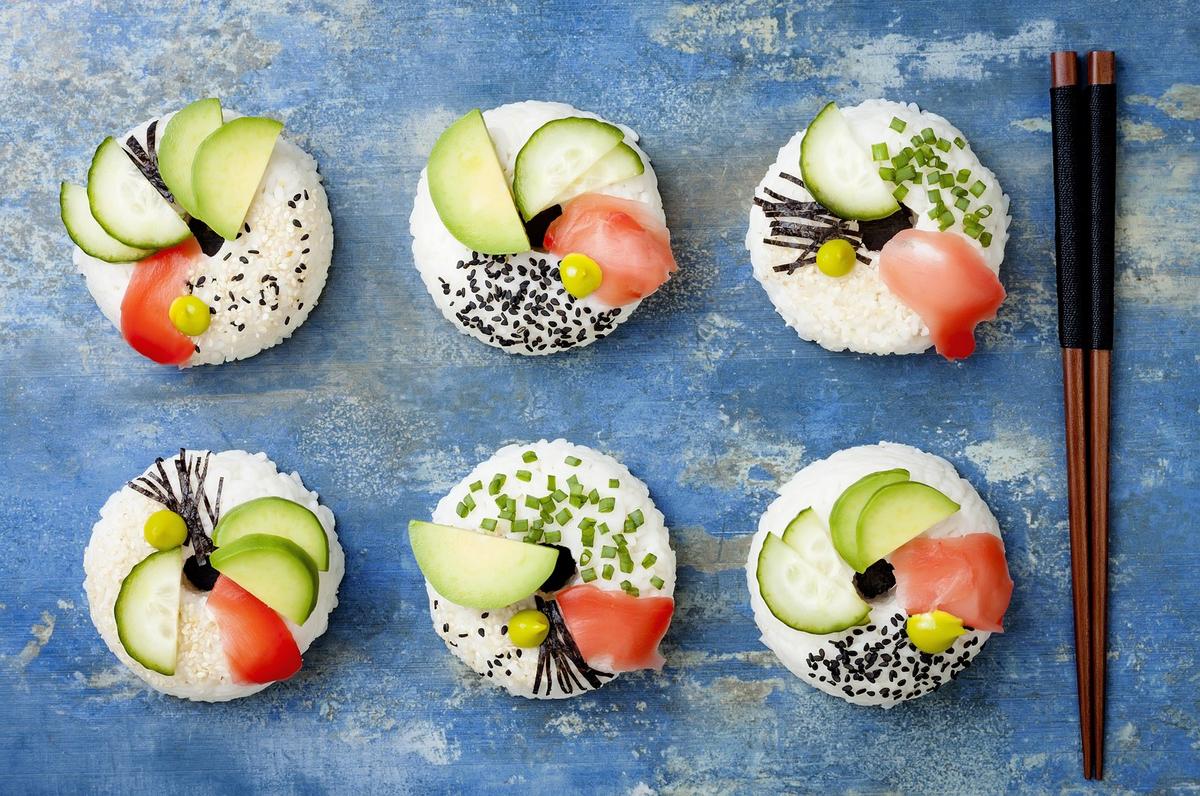
Vegetarian sushi doughnuts
UK's premier Japanese Food Hall. Next Day Delivery of Japanese cooking ingredients, fresh and bakery foods and everyday groceries.
Read more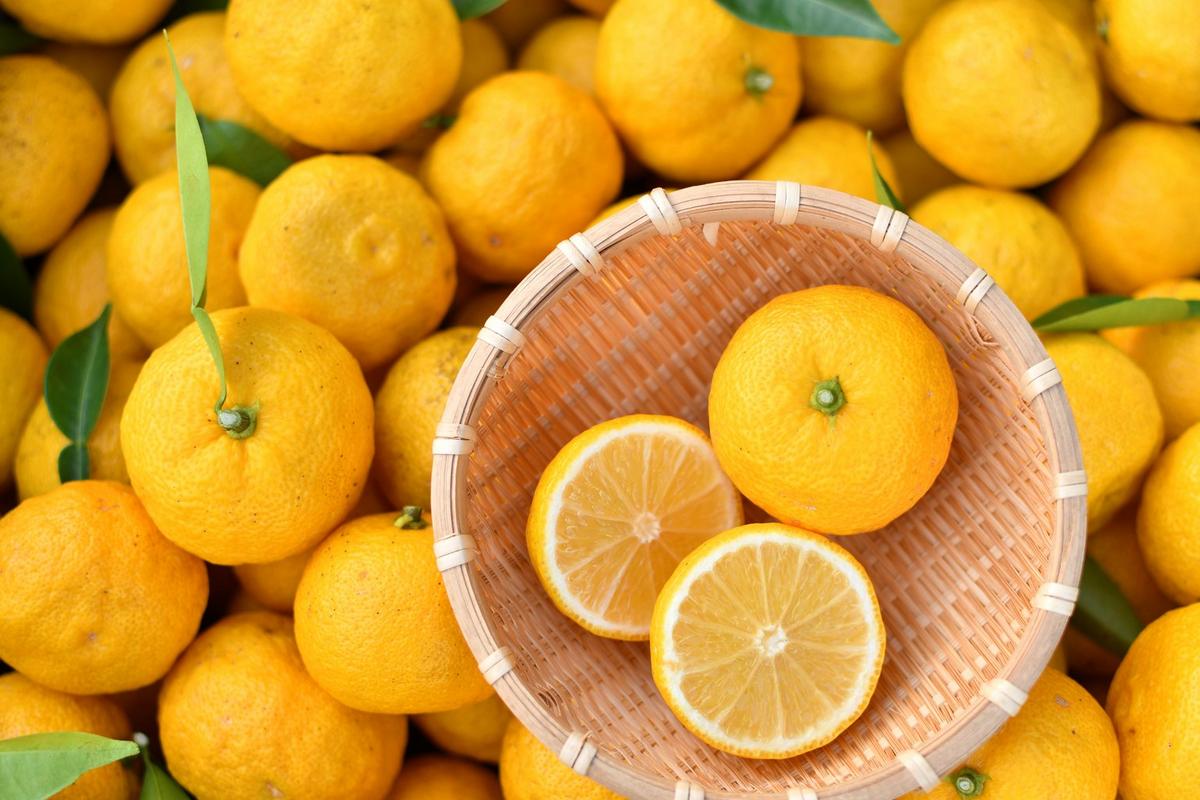
5 ingredients for delicious Japanese desserts
Tofu, yuzu, matcha, azuki beans and kinako; not only are these ingredients the basis for some mouth-wateringly delicious desserts, but our ‘fab five’ also have some great health benefits.
Read moreJapanese Recipes with Vegetables
Find vegetable-based Japanese recipes at japancentre.com, including Japanese potato salad, vegetable gyoza, Japanese pickles, and miso aubergine.
Read more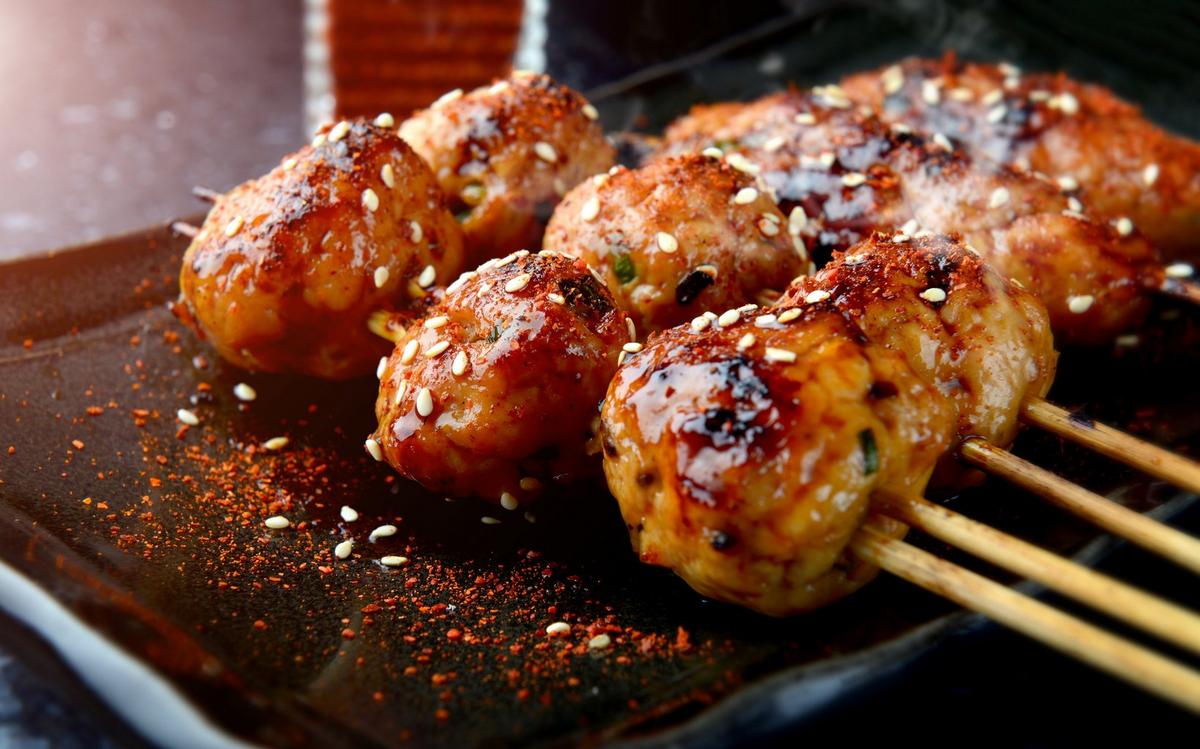
Tsukune mince meat skewers
A favourite among the chicken yakitori skewers family, these Japanese tsukune mince meat skewers are packed full of flavour and so easy to prepare.
Read moreRecipes for Japanese Snacks
Enjoy homemade takoyaki, harumaki, chicken karaage, inari sushi, and other mouth watering Japanese snacks with japancentre.com’s easy recipes.
Read more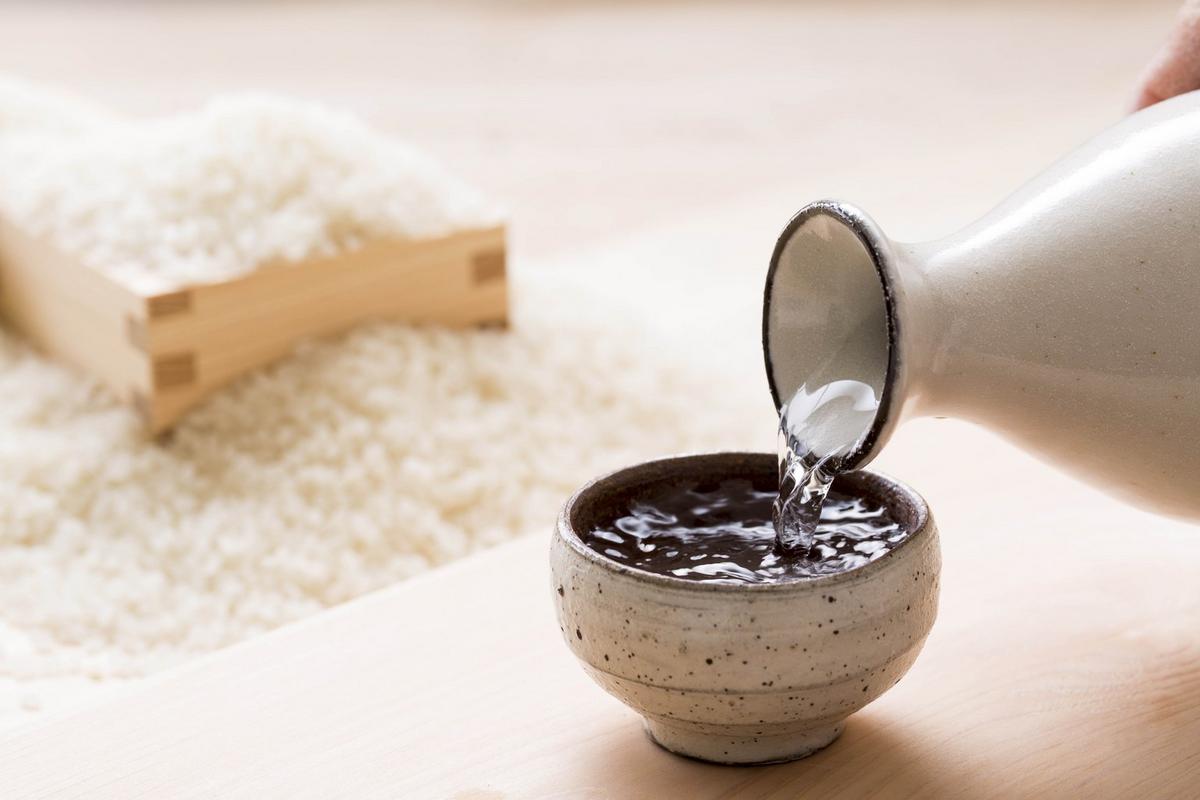
Choosing and enjoying sake: part 1
What is Sake? Nihon Shu, better known as sake, has been drunk for almost 2,000 years. Initially from China, rice wine and its recipe was brought to Japan by travellers and merchants.
Read more