

Tofu, yuzu, matcha, azuki beans and kinako; not only are these ingredients the basis for some mouth-wateringly delicious desserts, but our ‘fab five’ also have some great health benefits. In this blog post we’ll introduce you to the nutritional benefits of each ingredient and suggest some tasty and easy-to-follow recipes, so you can treat yourself to some glorious Japanese style puddings in the comfort of your own home. From pancakes and parfaits to cookies and cheesecakes, our Japan Centre desserts include plenty of vegan options too!
Tofu
Tofu is made from soy milk and is a low-fat, low-calorie ingredient which contains all the essential amino acids that help our bodies to function properly. Tofu is rich in protein, iron, calcium and other vitamins and minerals. Although you may associate tofu with savoury dishes, it also works well in desserts by absorbing flavours and balancing out the sweetness and richness of other ingredients. With a texture similar to cheese, tofu is available in firm through to silken (soft) varieties making it a versatile ingredient that can be used in all sorts of dessert dishes, from milkshakes to pancakes.
Suggested recipes:
Enjoy something both sweet and good for you with these gloriously delicious, sensationally healthy tofu shakes. Tofu is low in calories and full of protein, making it an ideal ingredient for dieters, vegetarians, vegans and health-food lovers alike. These tofu shakes are super easy to rustle up and make a fabulous sweet treat for enjoying in the mornings or afternoons, or even as a healthy dessert.

Bring extra protein to a favourite breakfast food with these amazingly delicious tofu pancakes. Substituting the milk normally included in pancakes with tofu, these pancakes are fluffy, a little chewy, and easy to make. Enjoy for breakfast or for dessert with your favourite pancake toppings.

Matcha
Matcha is made from powdered green tea leaves, and has a vibrant emerald colour and unique, earthy taste. It was traditionally mixed with hot water and served during tea ceremonies alongside small sweets made from rice paste (wagashi). When used as an ingredient for desserts and sweet treats, matcha balances out the sugariness and adds an extra layer of flavour. It’s also a fantastic addition to western style recipes such as cheesecakes and cookies, to give them a Japanese twist. As well as being delicious, matcha is also jam packed full of nutritional benefits. It contains L-Theanine, an amino acid that helps you to stay alert without the caffeine crash associated with coffee. It also has more antioxidants than 10 cups of regular green tea combined!
Suggested recipes:
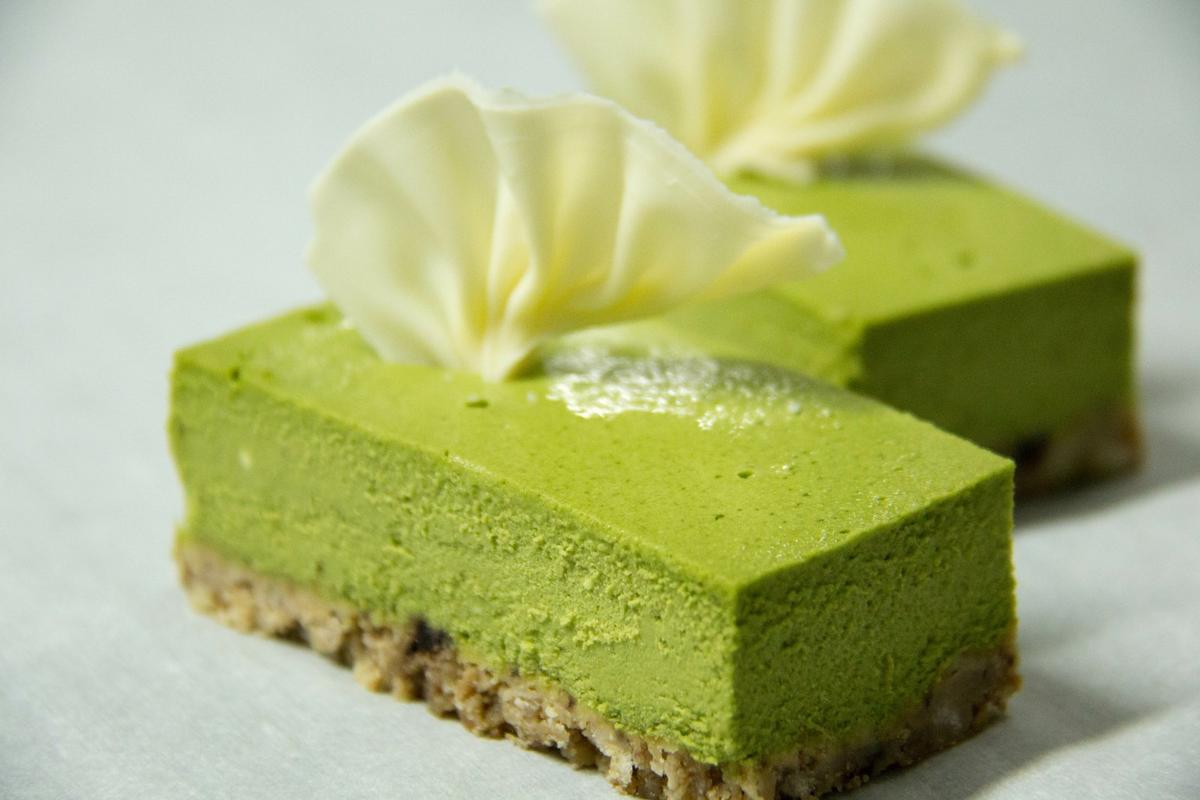
Embrace the enchanting flavours of matcha green tea, tofu, and anko red bean paste in this deliciously vibrant, creamy cheesecake. A gorgeous combination of traditional Japanese flavours and fillings and tasty Western style cheesecake, matcha green tea tofu cheesecake is great for special occasions or as a treat for afternoon tea. With its striking green colour it looks amazing on the table at parties.
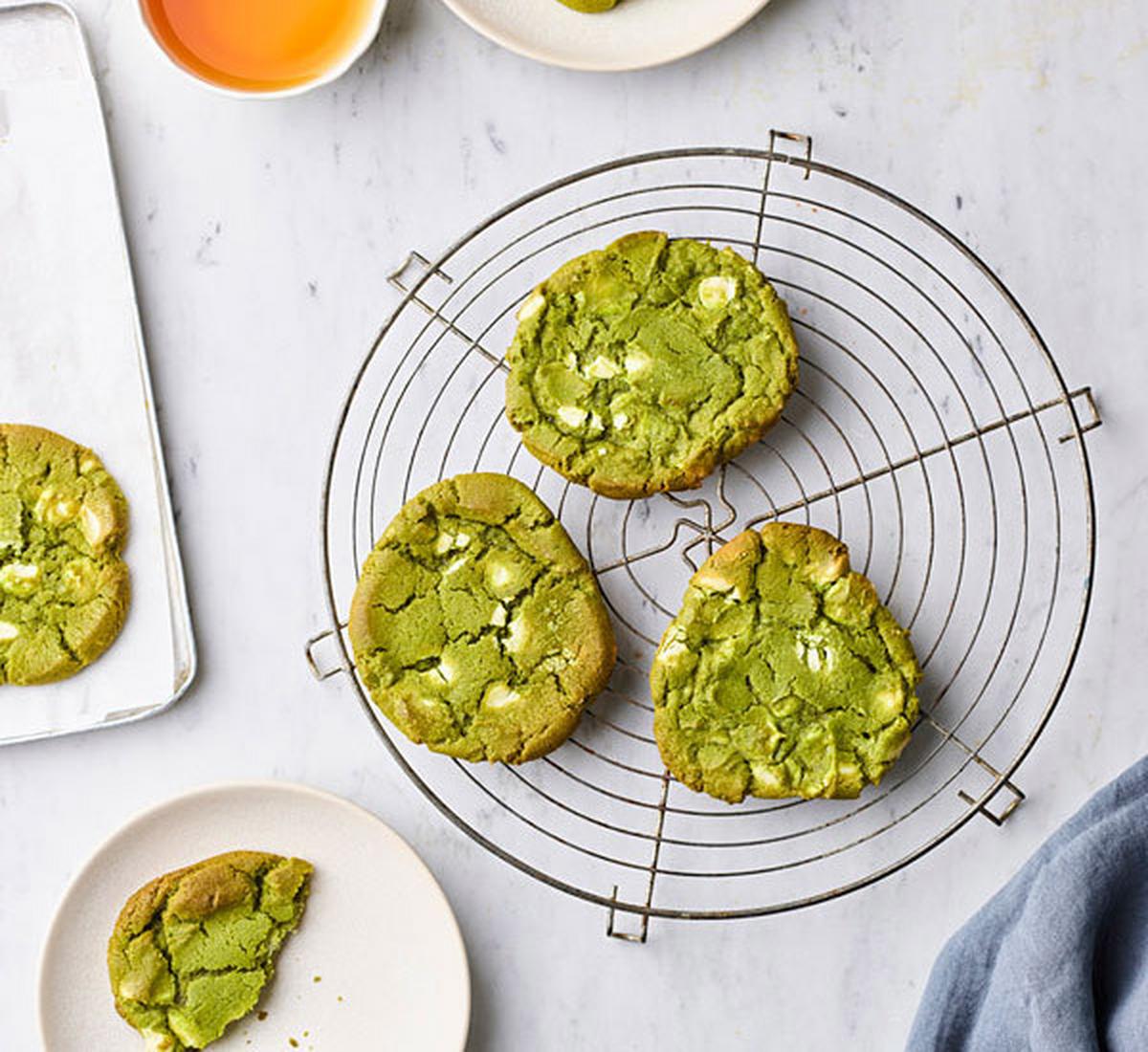
Best enjoyed hot from the oven with a cup of frothy matcha green tea, these sweet, soft and colourful cookies pair Japanese and western flavours beautifully. Treat yourself and others to a delightfully chewy combination of creamy Belgian white chocolate and fragrant matcha green tea.
Yuzu
Yuzu is a winter citrus fruit which tastes like a cross between a lemon, orange and grapefruit. The juice, seeds and peel can be used in a variety of different dessert dishes from ice creams to preserves. Like other citrus fruits, yuzu has a tart, zesty taste which complements richer, more sugary ingredients. Yuzu has sensory benefits too, with many people finding that its citrusy fragrance has soothing properties which reduce anxiety and help to provide a sense of calm. Yuzu also contains antioxidants such as Vitamin-C which help to support a healthy immune system.
Suggested recipes:
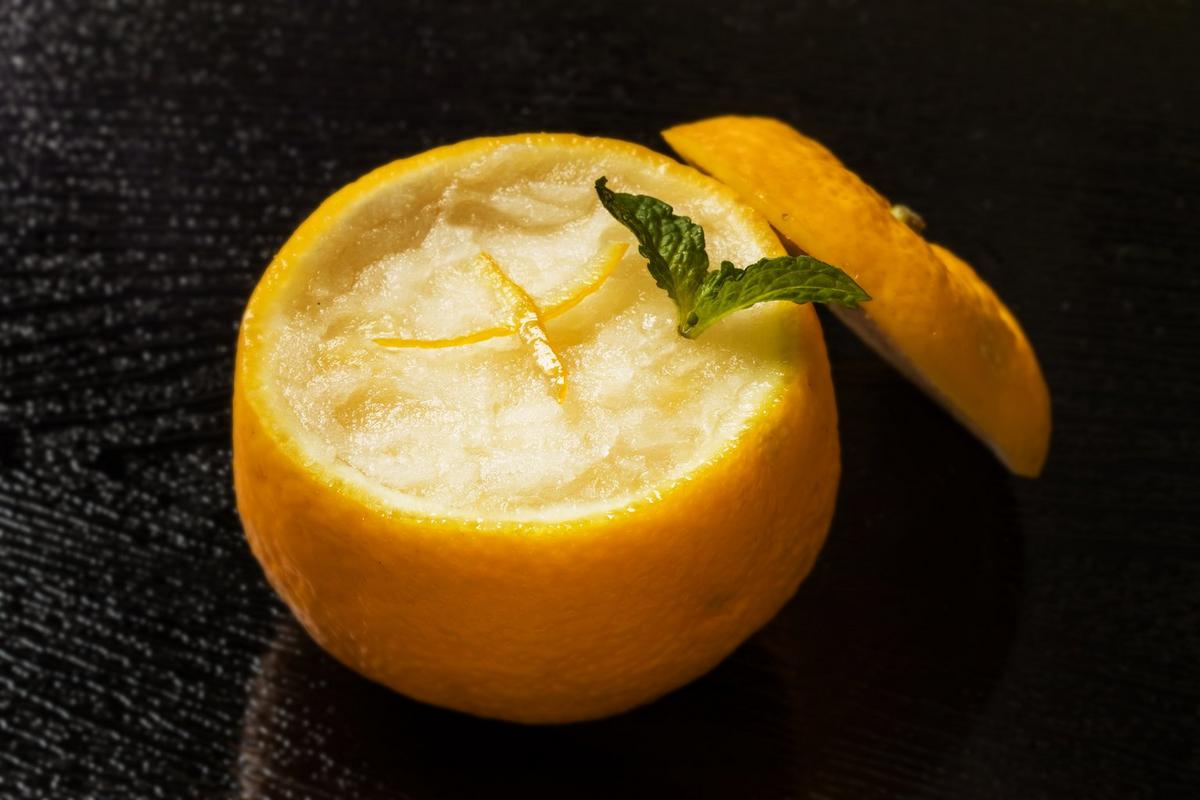
Embrace the refreshing, aromatic citrus flavour of yuzu with this light yuzu flavoured sorbet. Made using yuzu liqueur for an extra hidden kick, this sorbet is also super easy to make and the perfect finishing touch for a Japan inspired dinner party. Make ahead of time and keep in the freezer.
A wonderful combination of Japanese yuzu and classic creamy cheesecake. Celebrate summer with this cheesecake with a citrusy twist. Indulge in this enchanting flavours of yuzu and tofu in this deliciously creamy cheesecake.

Kinako
Kinako is made from roasted soybean flour and is a perfect addition to sweet dishes due to its delicate and slightly nutty taste. Soybeans contain the essential amino acids needed for healthy bone and muscle growth, as well as B-vitamins, potassium, iron and protein. Soybeans are fibre rich and can help maintain a healthy gut and improve digestion. Kinako works well in all sorts of sweet recipes and you’ll find that its earthy flavour is a delicious addition to your recipes to balance out the sweetness of rich or sugary desserts.
Suggested recipes:
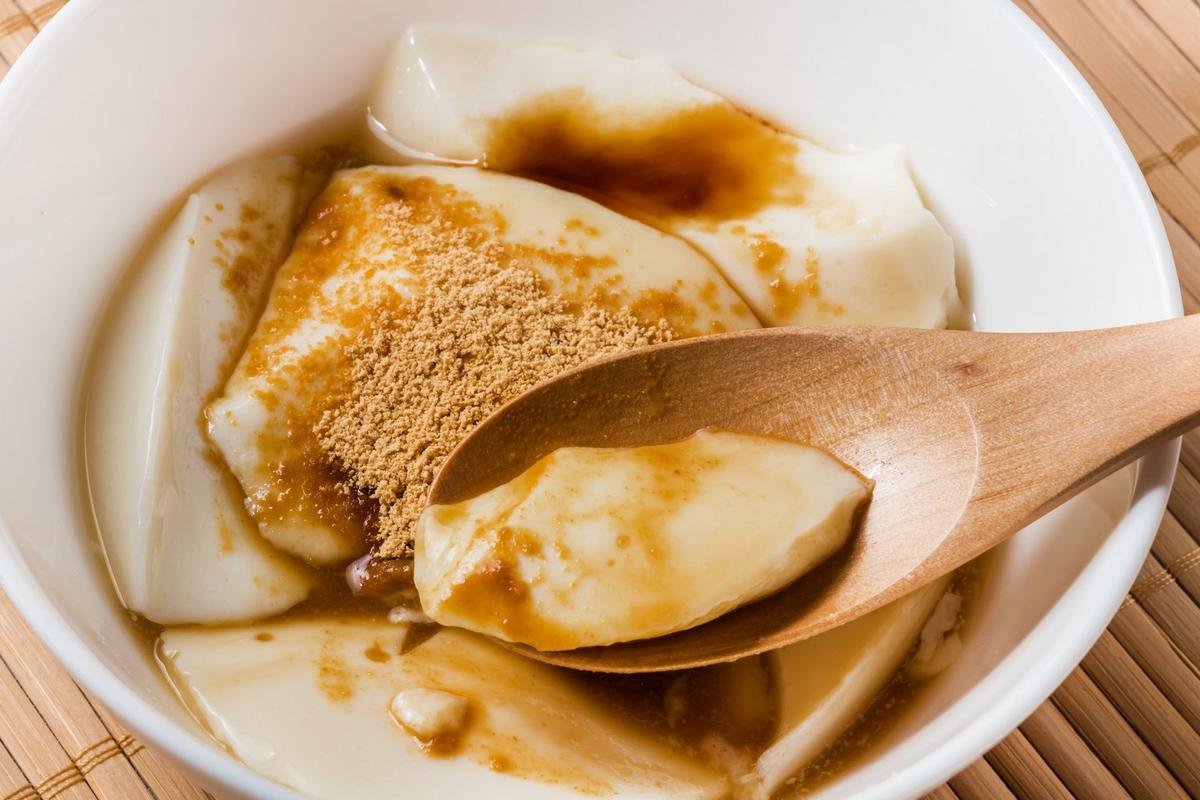
A simple and completely vegetarian recipe, this tofu dish uses kinako, a sweet soy bean flour, as well as other traditional Japanese sweeteners, to compliment the rich creaminess of the tofu. Prepare as an easy everyday dessert, or serve at dinner parties for something a little different.
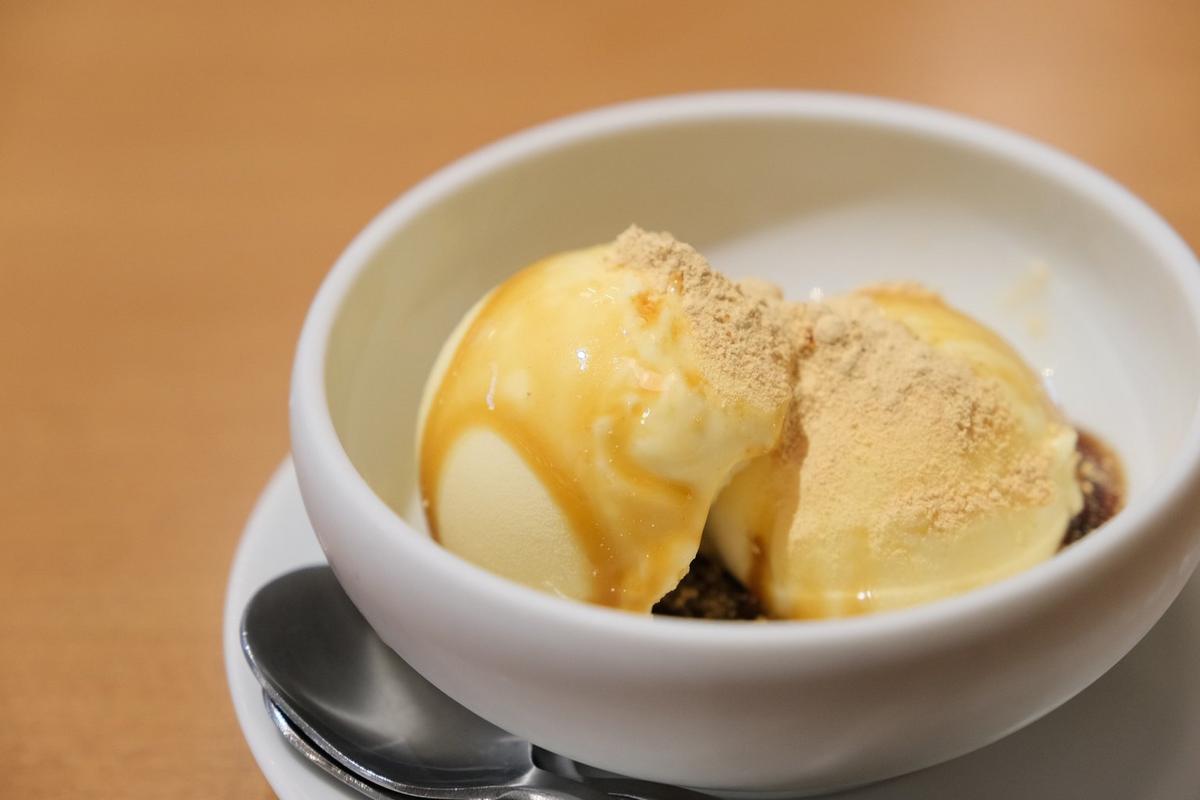
For a favourite sweet great with a Japanese twist, this kinako ice cream is sure to hit the spot. Kinako is a type of flour, made from soy beans and used often to provide flavour and sweetness in Japanese desserts. It is well known for its mellow, earthy taste. It goes well with vanilla, as the earthiness of the kinako helps to cut through the more direct sweetness of the vanilla. Enjoy this recipe as a final course at lunch or dinner.
Azuki red beans
Azuki (red) beans are a staple ingredient in Japanese desserts and treats. Like other Japanese dessert ingredients, they have a slightly savoury taste which complements and balances out the sweetness. Azuki beans are macrobiotic and high in fibre which is great news for your digestive system! They are also packed with potassium and iron. When boiled, mashed and mixed with sugar to form a paste, they are often used to fill pancakes and mochi. Azuki beans are also used as the base for sweet soups which can be chilled for a summer treat or enjoyed hot on a chilly winter’s day.
Suggested recipes:
Expand your repertoire of dorayaki fillings with this recipe for strawberry and red bean paste dorayaki. Strawberry and sweet red bean paste is a combination often utilised in Japanese desserts, because the refreshing hint of tartness from the strawberries cuts nicely through the slightly sticky thickness of the bean paste. The use of both in this dorayaki makes for a nicely balanced snack or dessert that you will want to enjoy again and again.

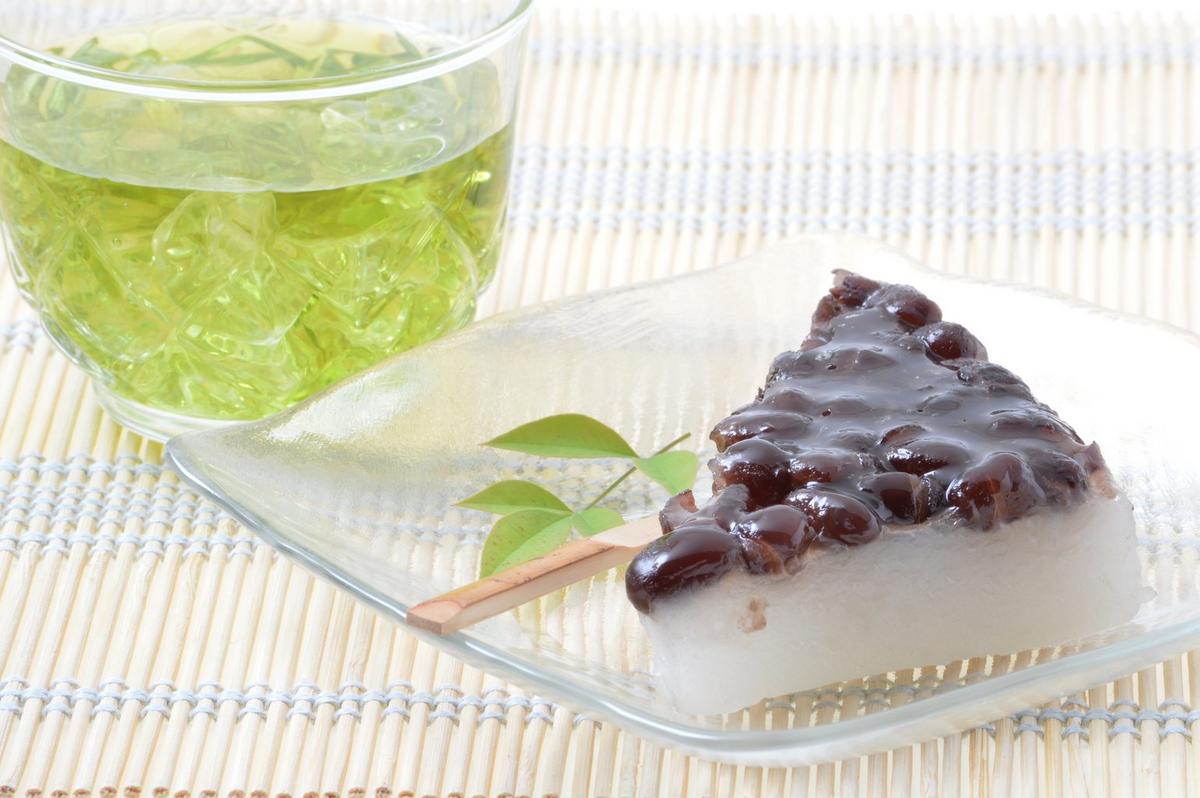
Minazuki is the traditional Japanese name for the sixth month of the lunar year, from the end of June to the beginning of August. The month name is where this delicious steamed rice cake gets its name. Normally eaten on the 30th of June as a means of purifying yourself of bad things in the middle of the year, its chewiness and slight sweetness can be enjoyed all summer long. Try your hand at making this rice cake for a taste of tradition.
Enjoy all this and more by shopping in-store at Japan Centre Leicester Square, Westfield London and Westfield Stratford City. Alternatively you can get fresh produce delivered straight to your door by shopping online at the Japan Centre website.
This article appears in
- Japanese cooking
- Foodies
 Free UK deliverySpend £65 for free standard or chosen day delivery*

More inspiration...よりたくさんのインスピレーション
Gekkeikan
Established in 1637, Gekkeikan has been dedicated to providing great-tasting sake and is now one of the most well-known sake brewers in the world.
Read moreRecipes for Japanese Sauces
Make dashi, cook with soy sauce, concoct mouth watering yakiniku sauces and more with japancentre.com’s collection of sauce recipes.
Read more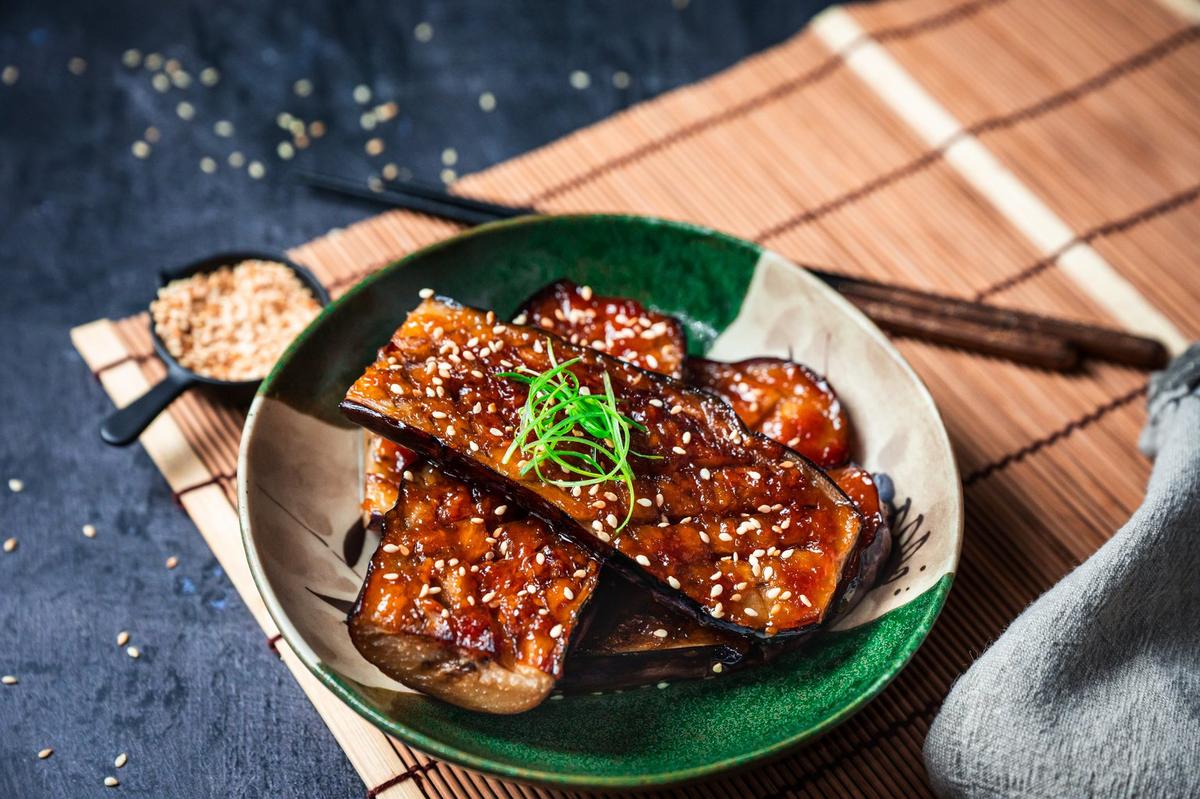
Nasu dengaku (miso aubergine)
Nasu dengaku, or miso aubergine (eggplant), is a vegetable side dish of cooked aubergine topped with sweet/savoury miso glazed sauce. Make your own with this recipe.
Read moreJapanese Recipes For Rice
Find out how to make sushi rice, inari sushi, maki rolls, fried rice and other Japanese rice based recipes at japancentre.com.
Read moreBuy Japanese Rice Seasoning Online
Transform a bowl of plain rice into something completely delicious with our selected range of furikake rice seasonings.
Read moreJapanese Supplier Of Premium Food In UK And Europe
Every week, you’ll find new offers on your favourite products here. Find your favourite Japanese food and drink for less or discover something new.
Read more