

What is sake?
Nihon Shu, better known as sake, has been drunk for almost 2,000 years. Initially from China, rice wine and its recipe was brought to Japan by travellers and merchants. Records dating back to the third century show that an intoxicating drink called “Kuchikami” was made by young maidens chewing grains, such as millet, rice, chestnuts and acorns. This mixture was then spat into basins and left to ferment and later drank. Over the past couple of millenniums, this recipe and lots of new types of sake have improved greatly with the use of better ingredients and advanced techniques. It is hoped that in the future, the beverage will continue to evolve and continue to be a fabulous drink for generations to come.
Sake is made from rice, water, koji and yeast. Good sake has no other ingredients other than maybe some added alcohol to balance its taste and texture. Initially used as an offering to the Gods, sake was made mainly in temples and shrines. Highly prized, only Emperors, Shoguns, nobility and foreign distinguished guests, priests and monks were allowed to drink it. As early as the twelfth century, historians noted that sake was offered to important guests both hot and chilled depending on the season of the year. It has been the chosen drink for events such as weddings, work achievements and celebrations over the centuries and now, of course, drunk by friends with or without food.
Contrary to belief, sake is not distilled and not a spirit, but can be distilled. This is then called a shochu which can have a high alcoholic content of anything between 20-45% depending on the type of distillation, blending or otherwise.
Sake is more akin to wine or beer; the starch from the steamed rice grains is converted into sugar whilst the yeasts work on the newly made saccharide mixture, turning it into an average 14-16% alcoholic drink. Sparkling sake can have a low alcohol content of 8% and undiluted sake or Genshu can have an alcohol content of up to a maximum of 22%. Sake is less acidic, more alcoholic, cleaner and (often) sweeter than wine and beer and is crystal clear, cloudy, murky, sparkling or a combination of all.
Check out Japan Centre’s wide range of sake in one of [our London stores](en/locations "Japan Centre stores") or [on our website here](/ "Japan Centre Online"). For more advice about choosing and enjoying sake, you can read [part 2 ](en/blog/2018/09/03/choosing-and-enjoying-sake-part-2 "Choosing and enjoying sake part 2")and [part 3](en/blog/2018/10/19/choosing-and-enjoying-sake-part-3 "Choosing and enjoying sake part 3") of the trilogy.
Marie Cheong-Thong
Director British Sake Association
Association of Wine Educators
This article appears in
- Sake
More inspiration...よりたくさんのインスピレーション
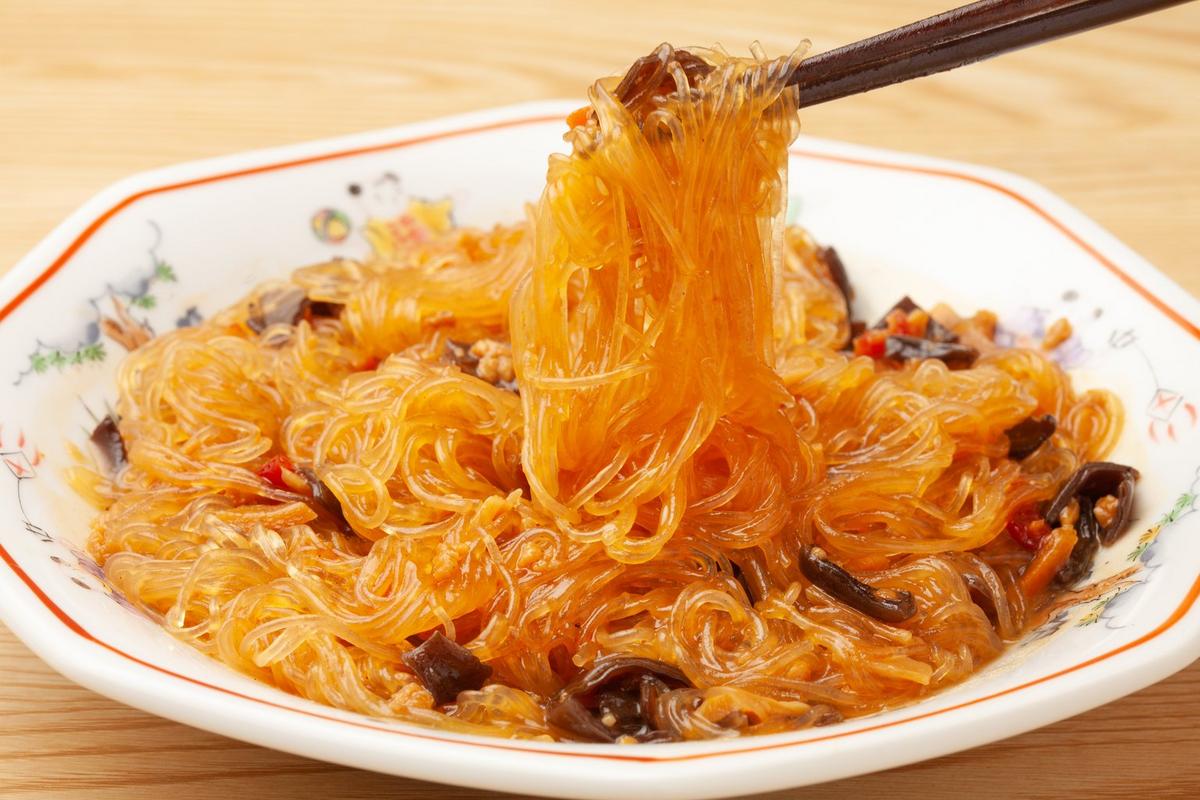
Spicy miso stir fry shirataki noodles
For lovers of spicy noodles, this shirataki stir fry recipe combines savoury Japanese miso paste with fresh chilli pepper for a dynamic flavour.
Read moreRecipes for Japanese Sauces
Make dashi, cook with soy sauce, concoct mouth watering yakiniku sauces and more with japancentre.com’s collection of sauce recipes.
Read more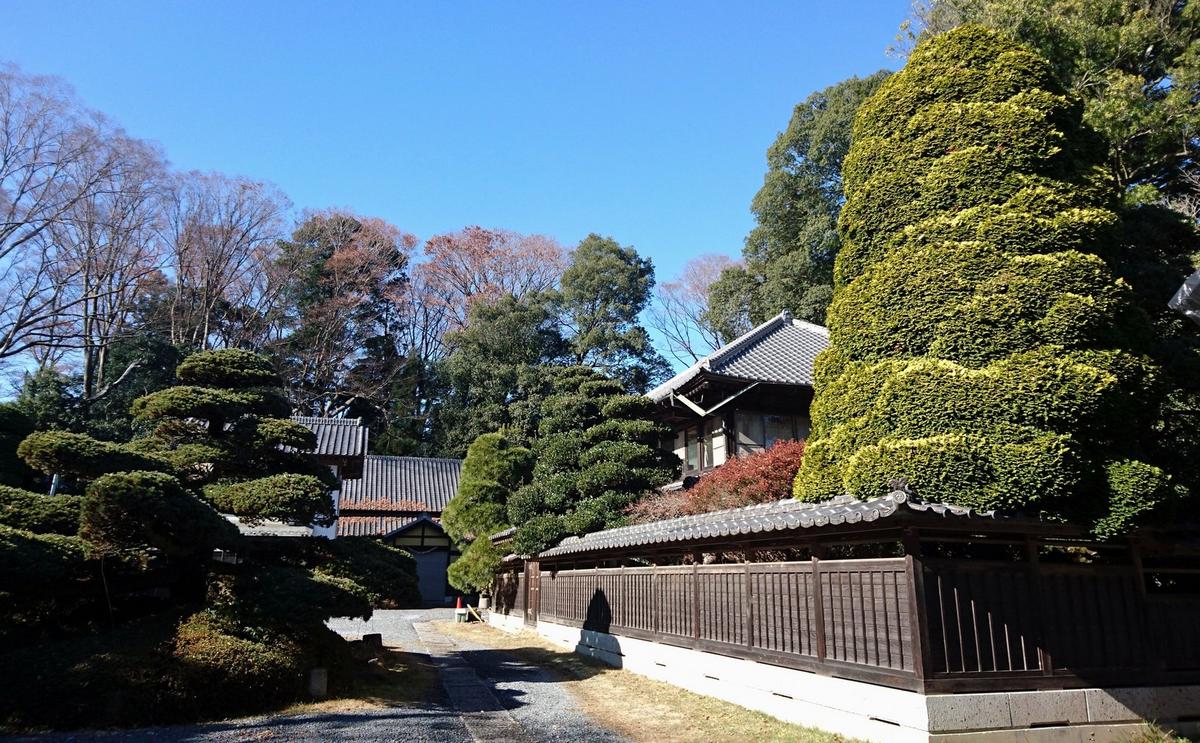
The wonder of Sudo Honke sake
Sake is one of Japan’s most famous exports and this delicious alcoholic drink made from fermented rice has a unique flavour that can be enjoyed either hot or cold.
Read moreJapanese Recipes with Noodles
Cook udon noodles, ramen noodles, yakisoba, and other Japanese noodle dishes with japancentre.com’s collection of easy noodle recipes.
Read more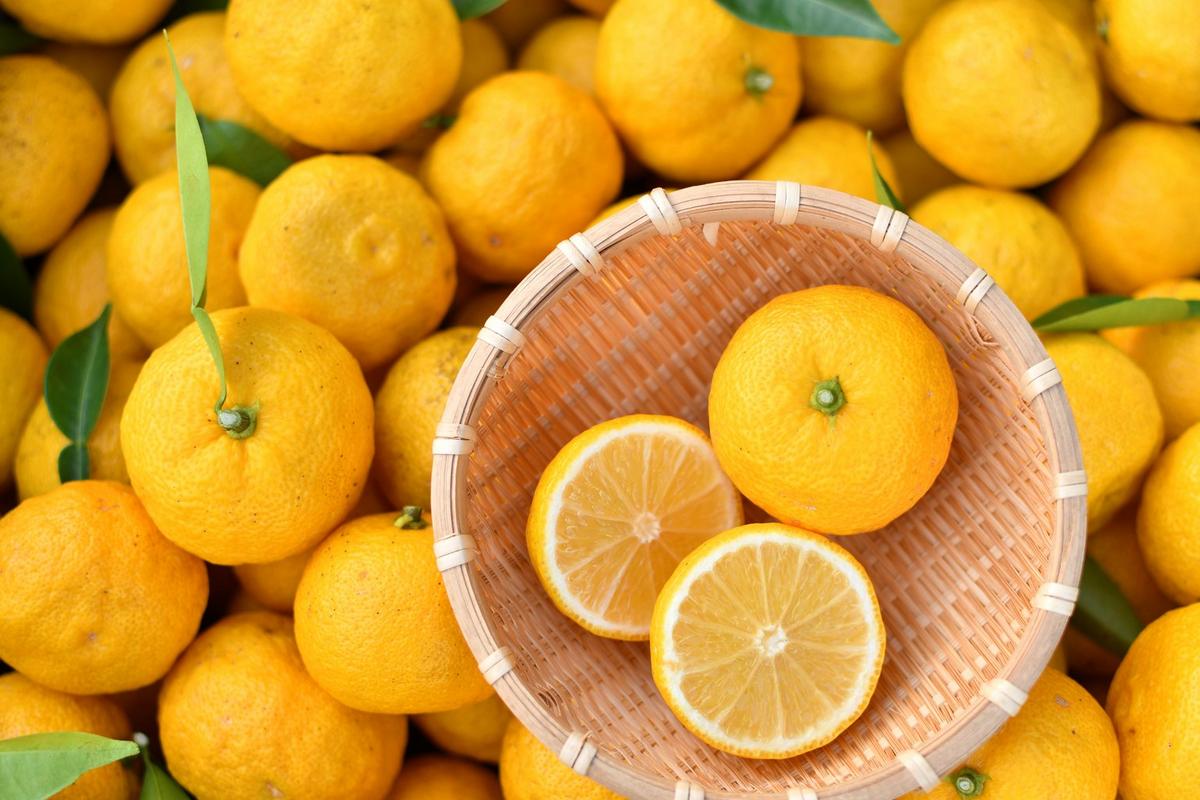
5 ingredients for delicious Japanese desserts
Tofu, yuzu, matcha, azuki beans and kinako; not only are these ingredients the basis for some mouth-wateringly delicious desserts, but our ‘fab five’ also have some great health benefits.
Read more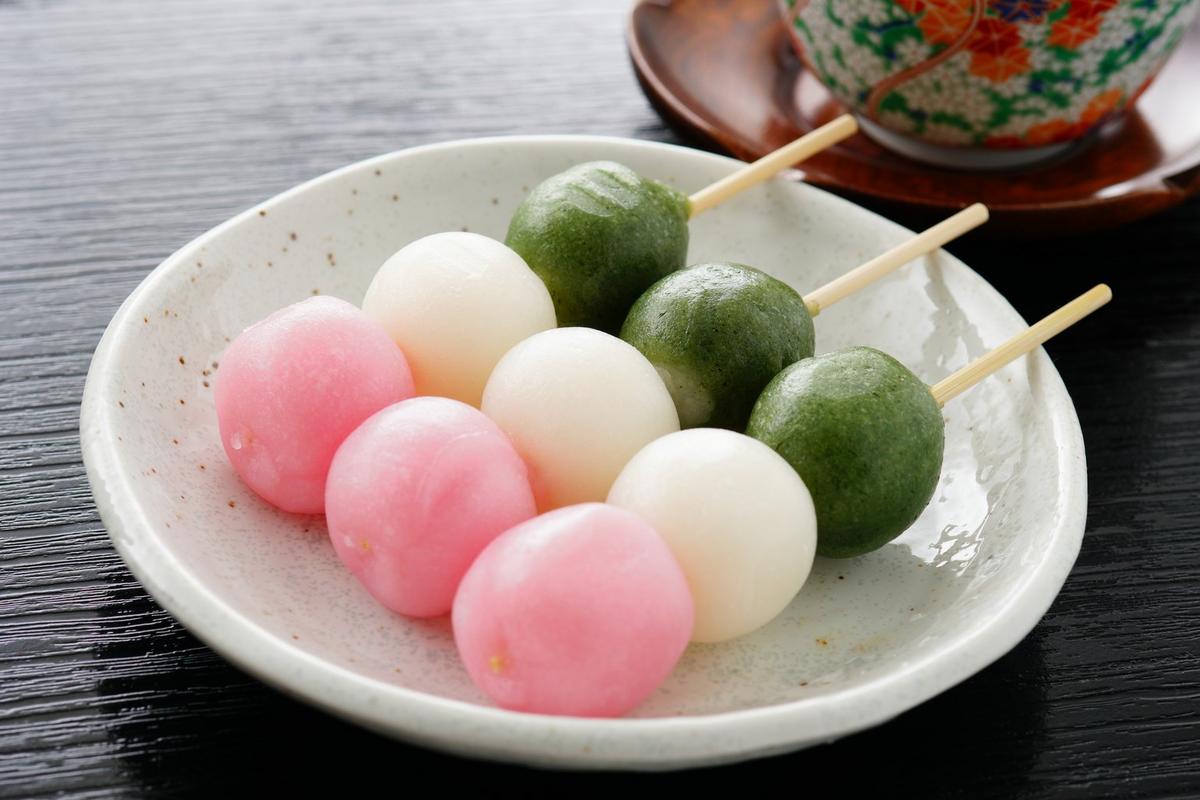
Three colour dango dumplings
Sweet Japanese dumplings, or dango, are bite-size balls of mochi rice often seen in cafes or at festivals. Make your own with this easy recipe.
Read more