

In the lead up to the Tokyo 2020 Olympics, interest in ‘food for athletes’ had grown considerably. At Tokyo Athlete Restaurant for example, the menu (overseen by Professor Nagashima from the National Institute of Fitness and Sports in Kanoya) is based on the principles of sports nutrition. Meals are designed to help diners access five key food groups including carbs, protein, minerals, fat and vitamins through nutritionally balanced meals. Balance and variety is at the core of Japanese cuisine and plays a part in Japan’s high life expectancy and low obesity rates.
Japanese longevity
It’s no secret that people in Japan live longer than the majority of the world’s population, but you may be surprised to learn that Japan currently has over 80,000 centenarians! The longevity in Okinawa is particularly impressive, and this area of southern Japan has been designated as one of the world’s five ‘Blue Zones’. These zones are designated to parts of the world where life expectancy is considerably above average and also include Sardinia, Italy; Nicoya, Costa Rica; Ikaria, Greece, and Loma Linda, California. Japanese longevity has been attributed to decreasing rates of heart disease and cancer which is in part due to low obesity levels throughout the country. So, let’s take a closer look at the Japanese diet and lifestyle for some health and wellbeing inspiration.
Balance, variety and moderation
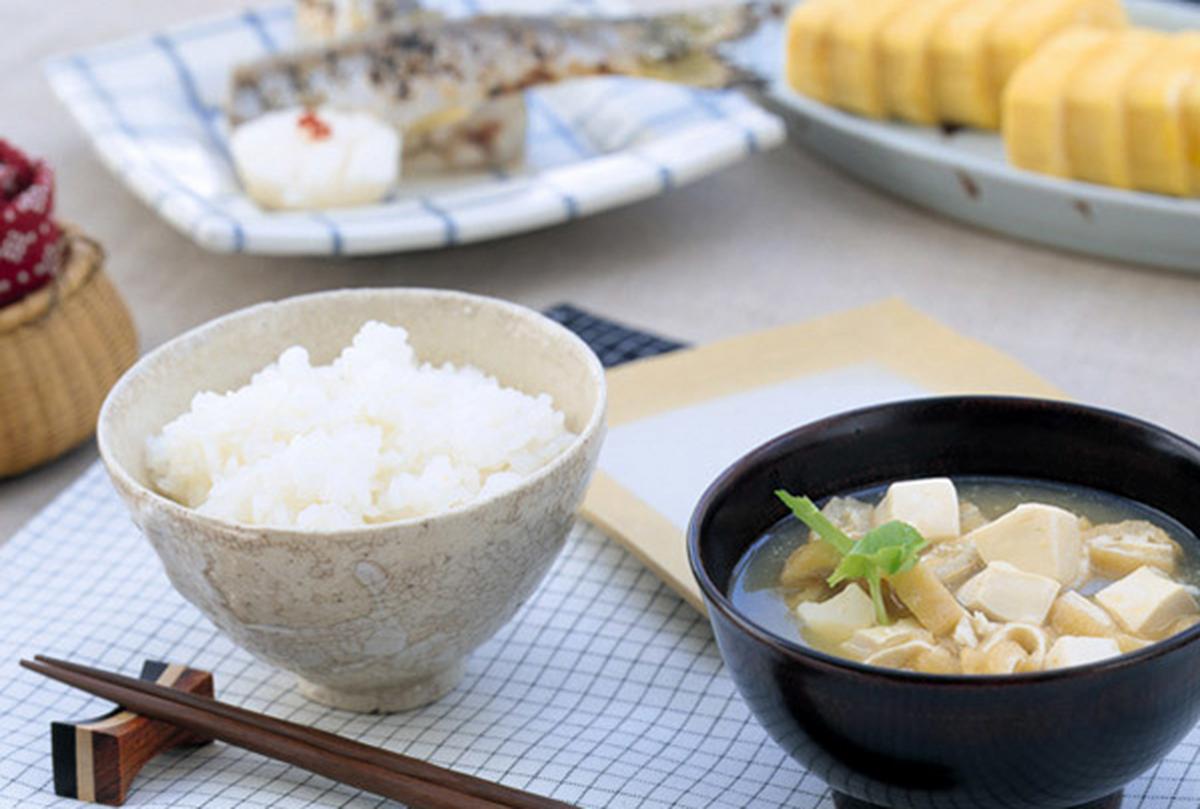
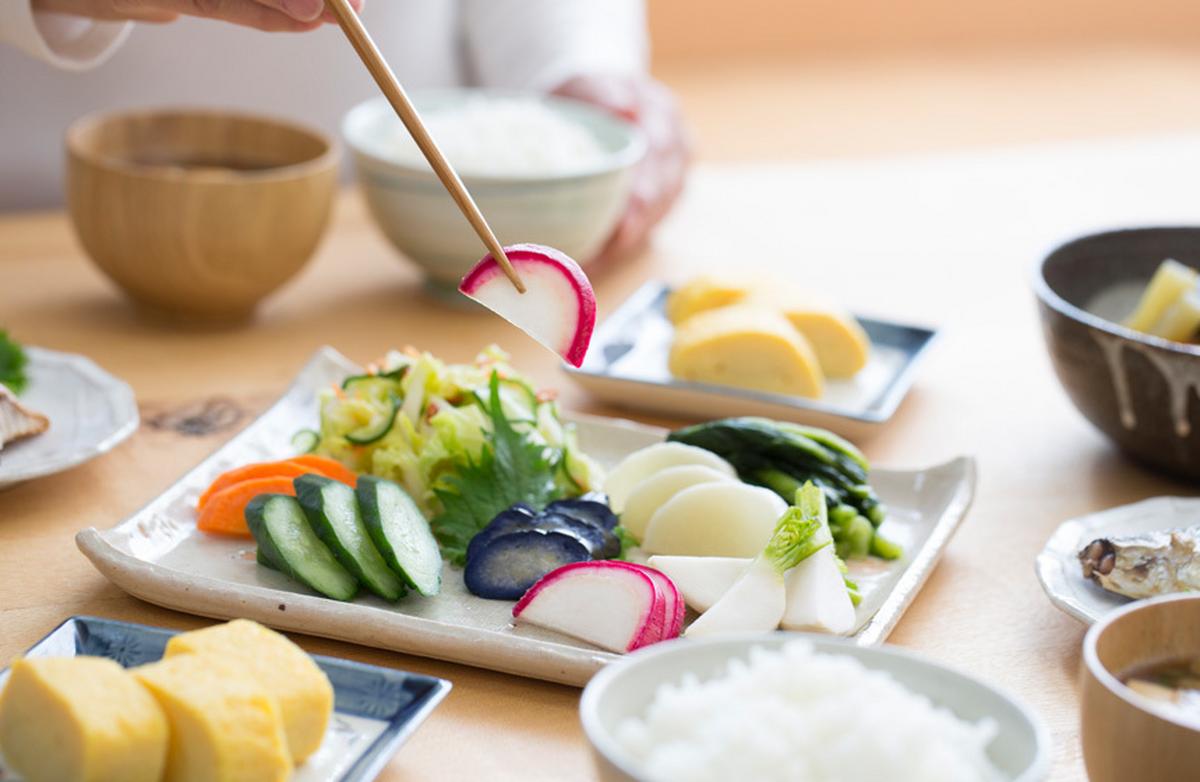
Typical Japanese meals are often served as one soup and three dishes (ichiju-sansai). The main and two sides can contain meat, seafood, tofu, or vegetables and are suitable for vegans and vegetarians. The meal also comes with the staple japonica rice and pickles. Traditional Japanese cuisine (washoku) is based on balance and variety and enhances the natural flavours of seasonal ingredients. Japanese meals usually contain fresh vegetables packed with vitamins, minerals and other nutrients and are naturally low in sugar and animal fats too. Being an archipelago, delicious fish and seafood is the basis of many meals in Japan and is packed with protein and heart-friendly omega-3 fatty acids.
Small portions of food, served in individual bowls or on small plates also helps to moderate the amount of food consumed during a meal. The phrase ‘moderate eating’ was actually coined in Japan’s Edo period and basically means eating until you feel satisfied but not full. More recent research by Dr. Daisuke Koya of the Kanazawa Medical University Hospital has shown that eating only until you feel 70% full leads to better health and in turn a prolonged lifespan.
Healthy Japanese breakfasts
Breakfast is arguably the most important meal of the day, breaking your overnight fast and gives you the energy to have a productive day. A bowl of sugary cereal and toast piled high with chocolate spread might give you a short-lived energy boost to wake you up in the morning, but over time sugary snacks like this may lead to weight gain and lethargy.
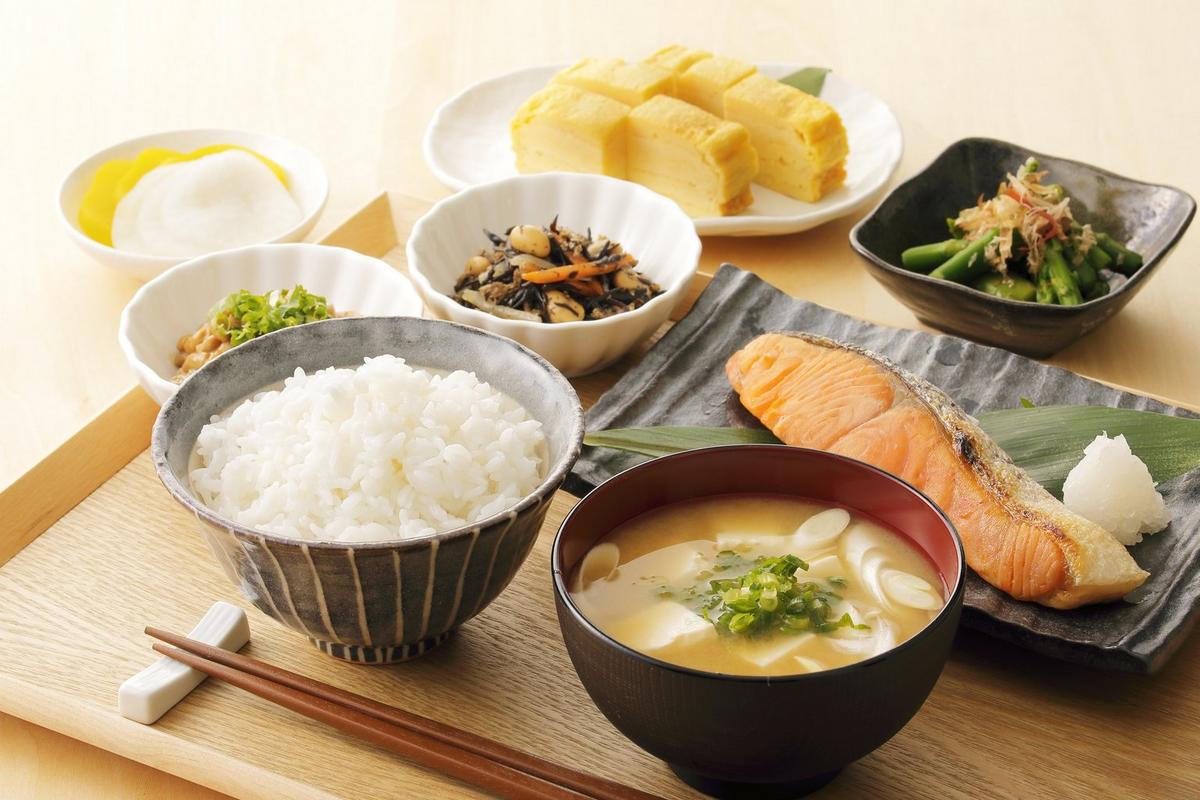
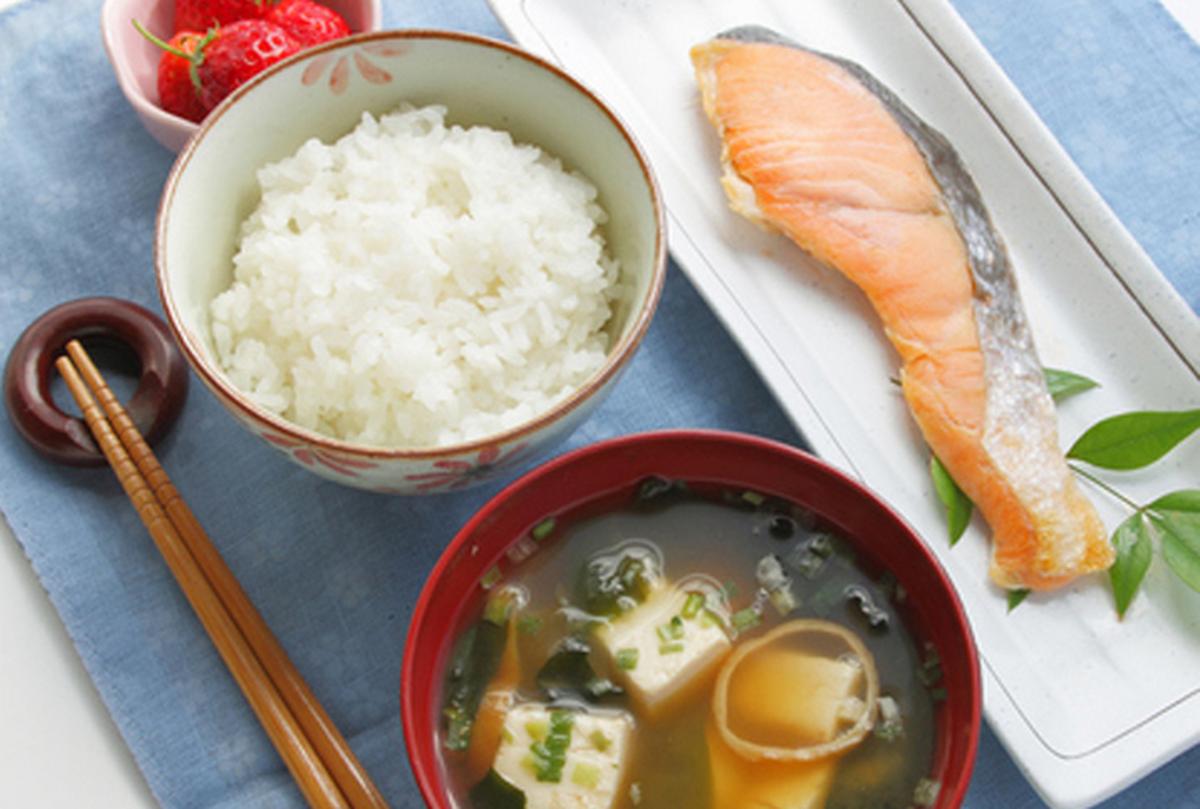
If you’ve ever been to Japan you may have noticed that their traditional breakfast options are a little different to those in the UK and include a variety of dishes such as rice, soup, protein, vegetables and preserves.
This nutritional breakfast gives you a balanced and varied start to your day, with the added benefit of staving off mid-morning hunger pangs! Team it with a delicious matcha latte, which will give you the energy boost of coffee, but without the caffeine crash.
Walking your way to health
The convenience of public transport means that many of us are leading a much more sedentary lifestyle, which can have a negative impact on both our physical and mental wellbeing. While you may not be doing intensive training like an Olympic athlete, walking is an easy, accessible option for the majority of people. Not only will this help to get you outdoors into the fresh air, but will also raise your heart rate and burn calories, all things which can help to keep mind and body in good shape.
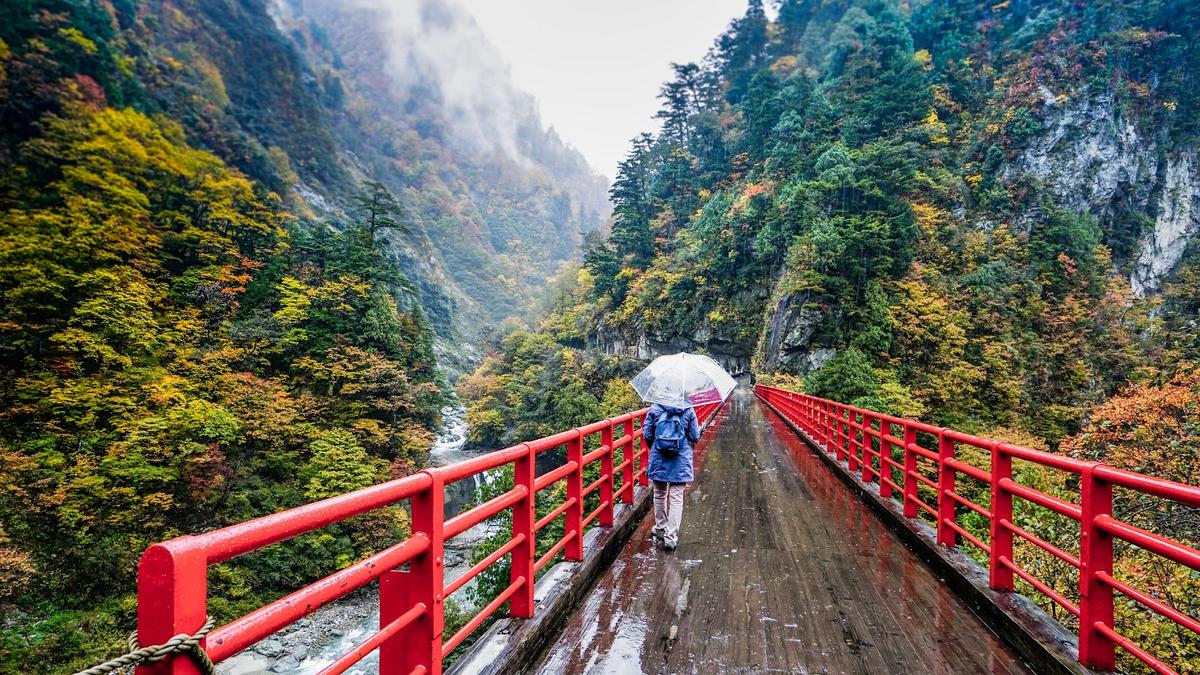
Many of Japan’s cities are extremely walkable, and there is a strong walking culture throughout the country. In Matsumoto, Nagano for example, officials have implemented over 100 walking routes, designed to get residents walking to encourage a healthy lifestyle.
Head to the Japan Centre recipe section on our website for a wealth of delicious, healthy recipes. You may also enjoy our Top 10 Japanese Superfoods blog post for a more in-depth look at some of Japan’s most nutrient-dense ingredients.
Enjoy all this and more by shopping in-store at Japan Centre Leicester Square, Westfield London and Westfield Stratford City. Alternatively you can get fresh produce delivered straight to your door by shopping online at the Japan Centre website.
This article appears in
- Summer in Japan
- Japanese culture and lifestyle
- Japanese superfoods
- Japanese cooking
- Sports
- More about Japan
More inspiration...よりたくさんのインスピレーション
Try these 5 vegan Japanese ingredients
If you’re someone who’s looking to continue your clean eating past Veganuary, then look no further as we dive into the wonderful world of Japanese vegan ingredients and the dishes you can expect to make with them!
Read more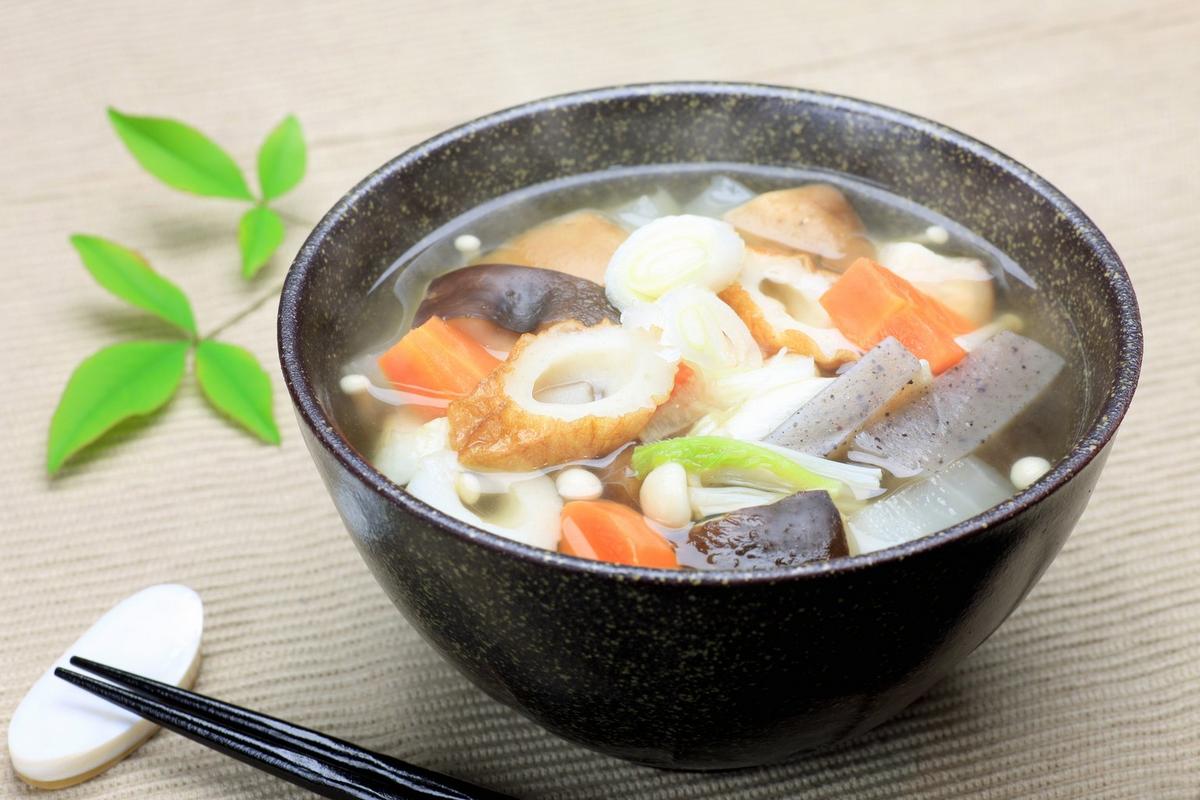
Kenchin vegetable soup
Kenchin soup, a Japanese vegetable soup originally eaten in Buddhist temples, is full of savoury umami flavour. Make your own with this easy recipe.
Read more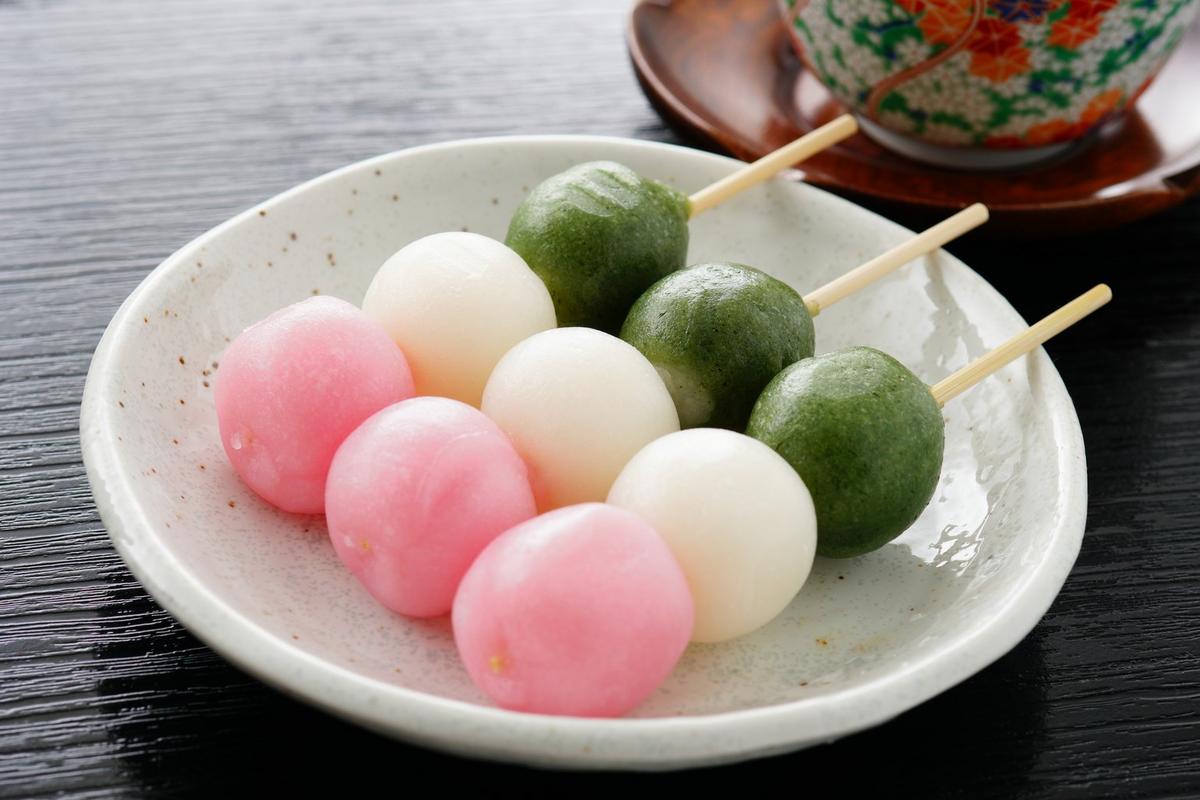
Three colour dango dumplings
Sweet Japanese dumplings, or dango, are bite-size balls of mochi rice often seen in cafes or at festivals. Make your own with this easy recipe.
Read more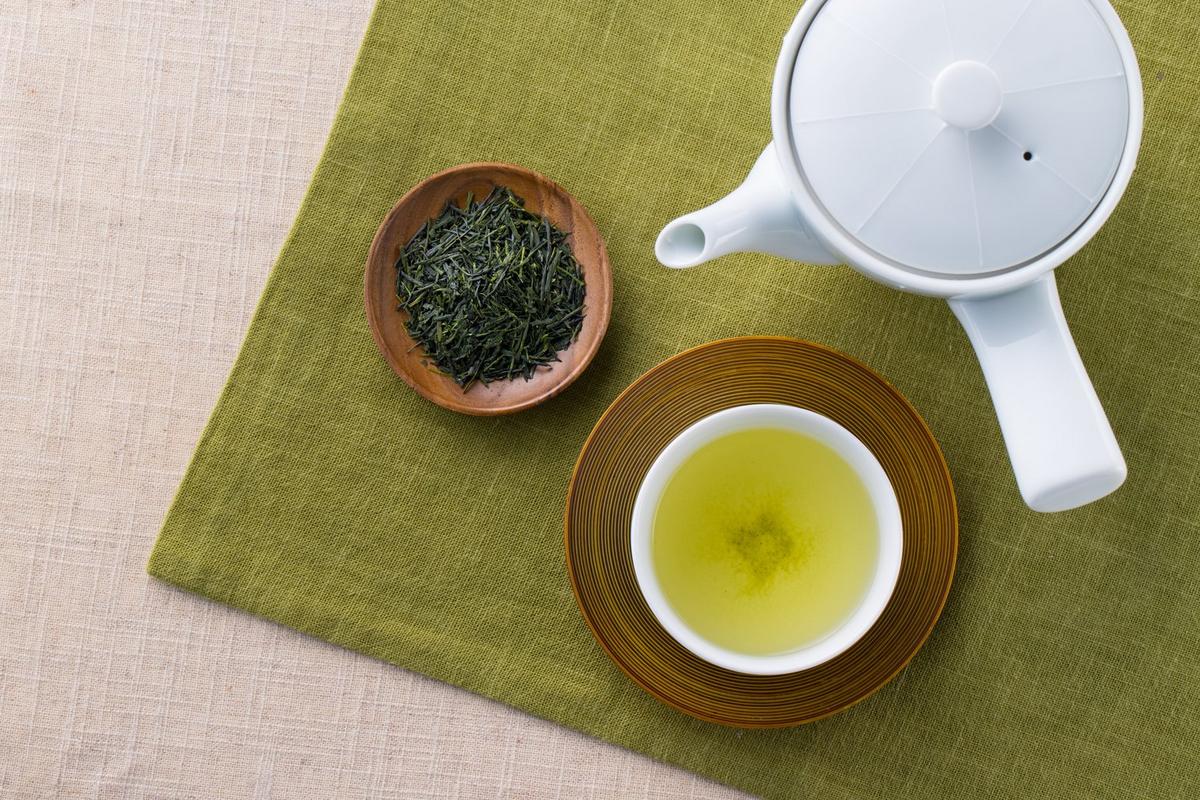
Japanese tea guide: what is Japanese tea?
From sencha and other straight green teas to roasted hojicha tea, genmaicha tea with roasted brown rice to matcha green tea powder for the Japanese tea ceremony, Japanese tea is a rich and varied world that is holding increasing amounts of fascination for tea enthusiasts here in the UK.
Read more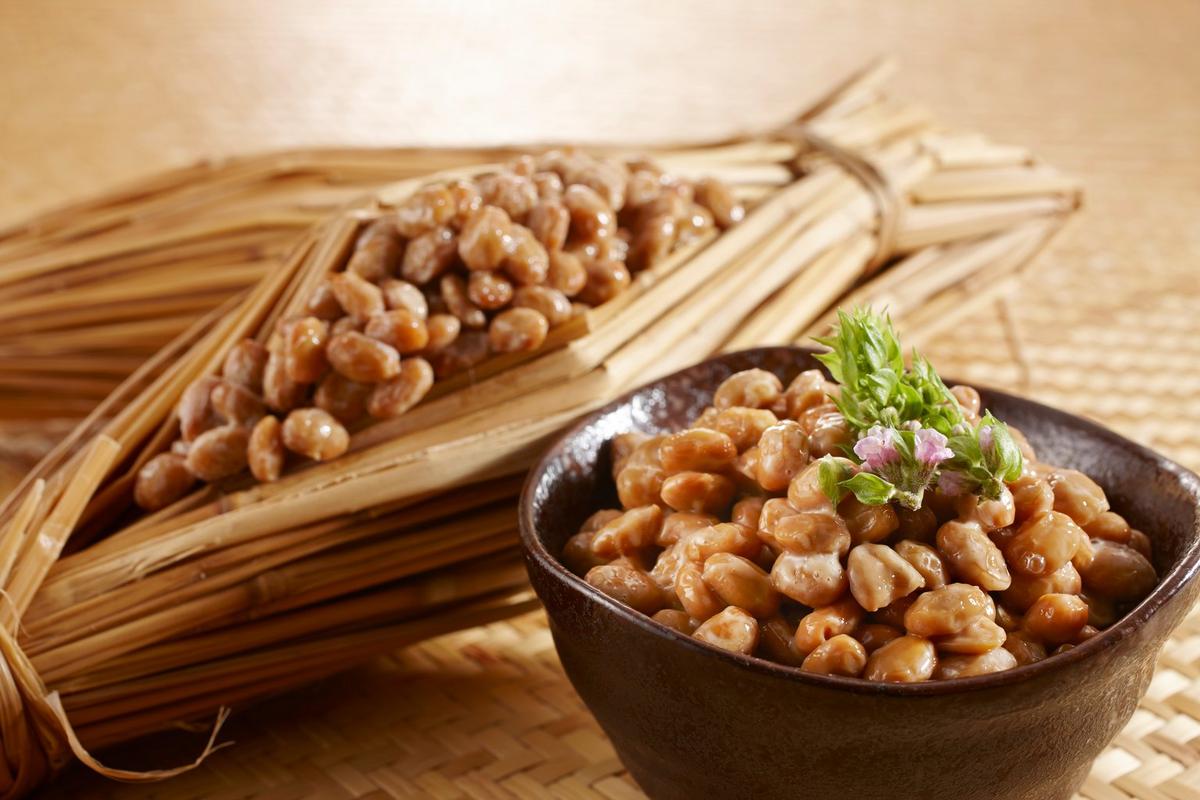
10 Japanese superfoods for a healthy diet
With life expectancy in Japan topping the charts year after year and with low levels of obesity, it’s no surprise that the Japanese diet is considered one of the healthiest in the world!
Read more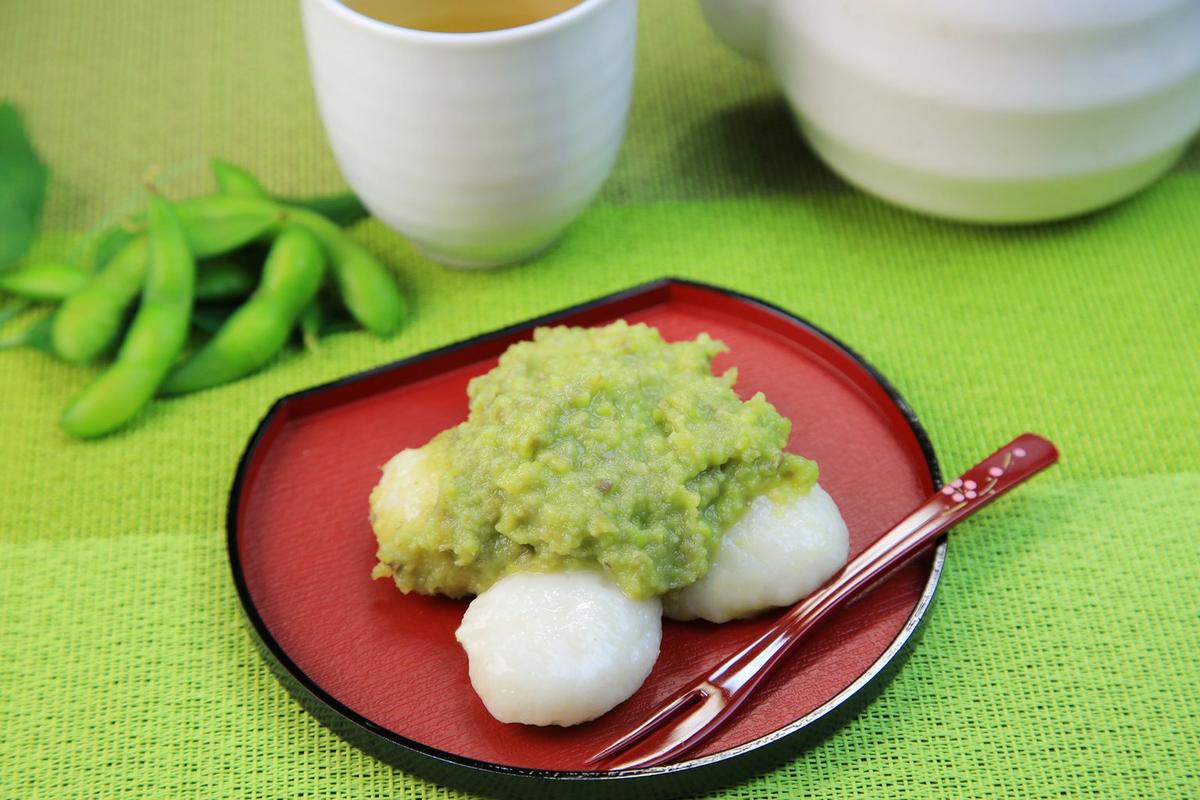
Zundamochi edamame paste with rice cakes
Discover new ways to use Japanese ingredients with japancentre.com's recipes. This dessert, a speciality from Sendai, is made from edamame soy beans.
Read more