
Japanese vinegar
apanese rice vinegar is a much milder, more mellow tasting vinegar than the white wine or malt vinegars with which we are more familiar in the West, and it is used extensively in cooking.

Japanese vinegar
From white vinegar in America to Balsamic vinegar in Italy to white wine vinegar and red wine vinegar in France and Germany, vinegar is one staple food/ingredient/condiment that many world cuisines cannot be without. Japanese cuisine is no exception to this, with rice vinegar (or rice wine vinegar) being one of the most versatile and necessary ingredients in any Japanese kitchen.
Japanese rice vinegar is a much milder, more mellow tasting vinegar than the white wine or malt vinegars with which we are more familiar in the West, and it is used extensively in cooking (in sushi rice, marinades, simmered dishes, pickles, dressings, and more). The Japanese also strongly believe in the health, diet, and beauty benefits of vinegar; particularly as an agent for losing weight, for cleansing and toning the skin, and for improving liver and digestive health.
Types of vinegar
There is an extraordinarily broad range of vinegar types around the world. How does Japanese vinegar compare? Read below and see.
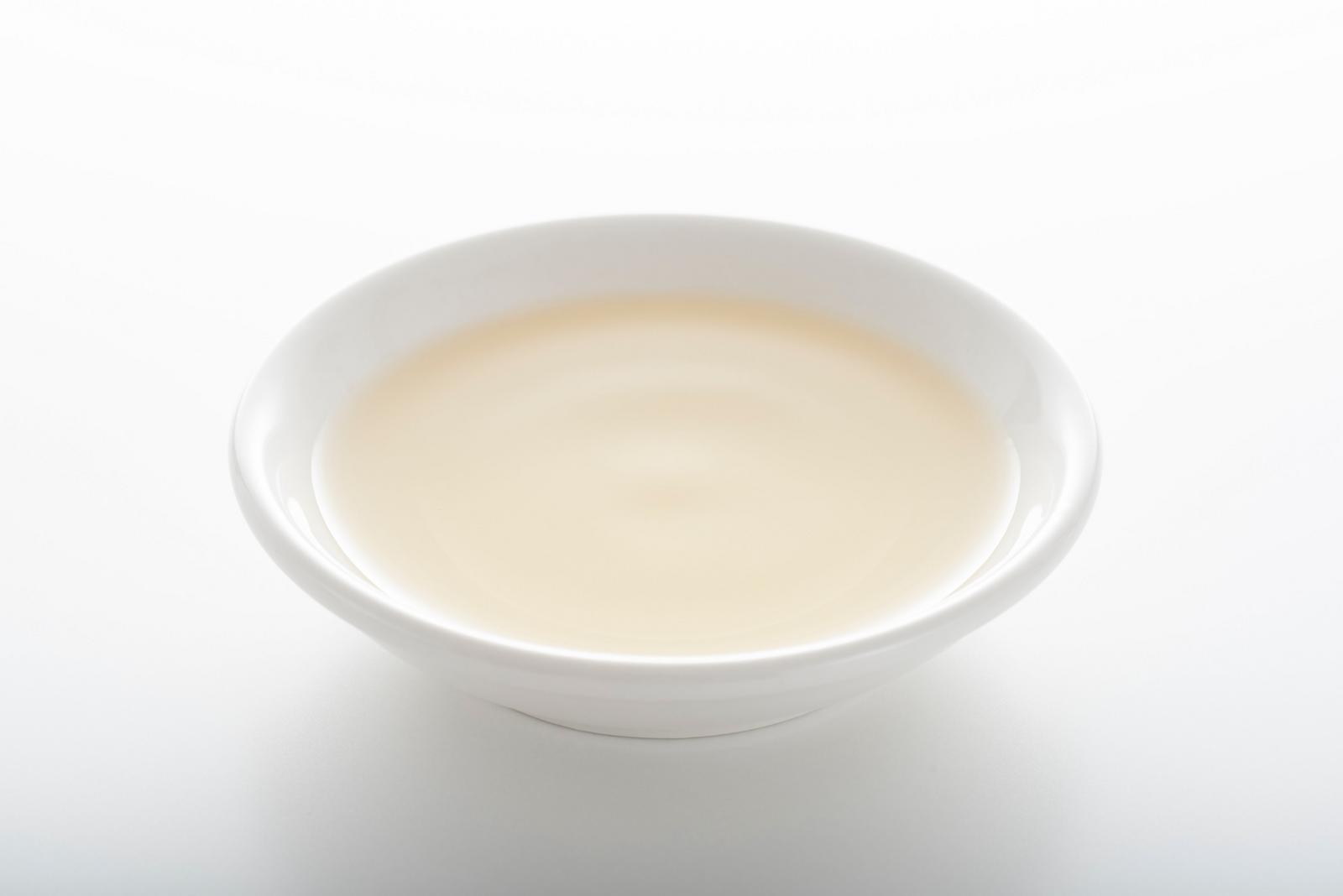
Japan and East Asia: Rice Vinegar Made from rice or sake lees (a rice based by-product in sake production), rice vinegar is the vinegar of choice in Japan, as well as China, Korea, Vietnam, and other South-East Asian countries. It can be made from rice of any colour, and its flavour varies according to what rice is used. The most common rice vinegars, made from plain white rice, have a clean, delicate flavour with apparent yet subtle acidity and just a hint of sweetness.
White rice vinegar
This clear-to-yellow vinegar is mellow and delicate in flavour, with prominent yet subtle acidity and just a hint of sweetness. It is this delicacy of flavour that makes Japanese rice wine vinegar so versatile in Japanese cuisine. Rice vinegar is used in salad dressings and sauces as a flavour balancer, in sushi rice as a seasoning, in pickles as the primary pickling agent, and in marinades for meat and seafood as an odour eliminator and tenderiser.
Brown rice vinegar
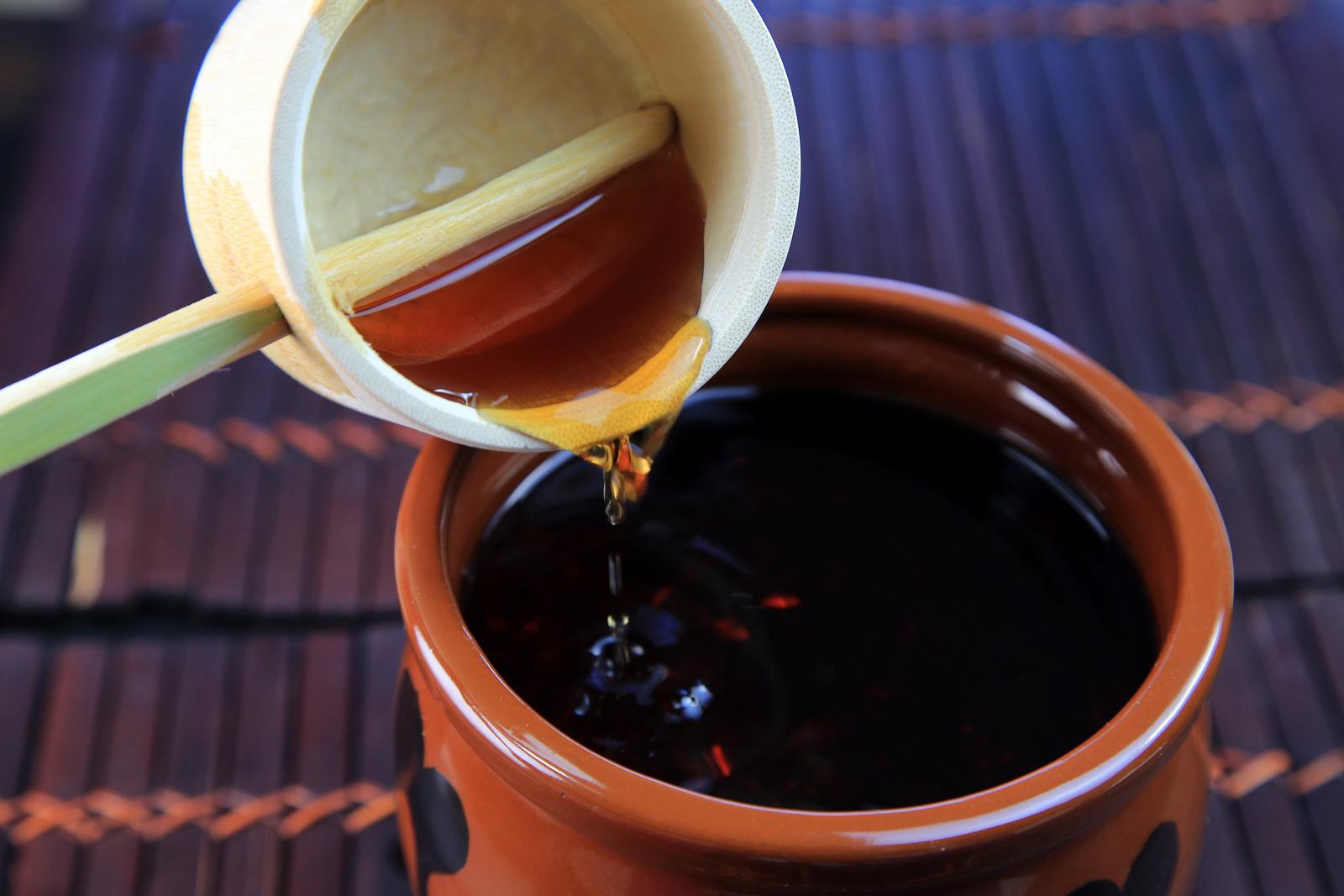
Light to dark brown in colour, brown rice vinegar, or black rice vinegar (a literal translation of the Japanese kurozu), is made from rice with the rice germ and bran still intact (white rice mills the rice germ and bran off). Because the rice germ and bran contain so many nutrients, brown rice vinegar is said to be far more nutritionally dense than white rice vinegar. As well as being used in cooking, brown rice vinegar is also drunk straight or diluted with other flavours as a health drink.
Uses of vinegar
Here are some of the main ways in which rice vinegar is used in Japanese cuisine.
Sushi
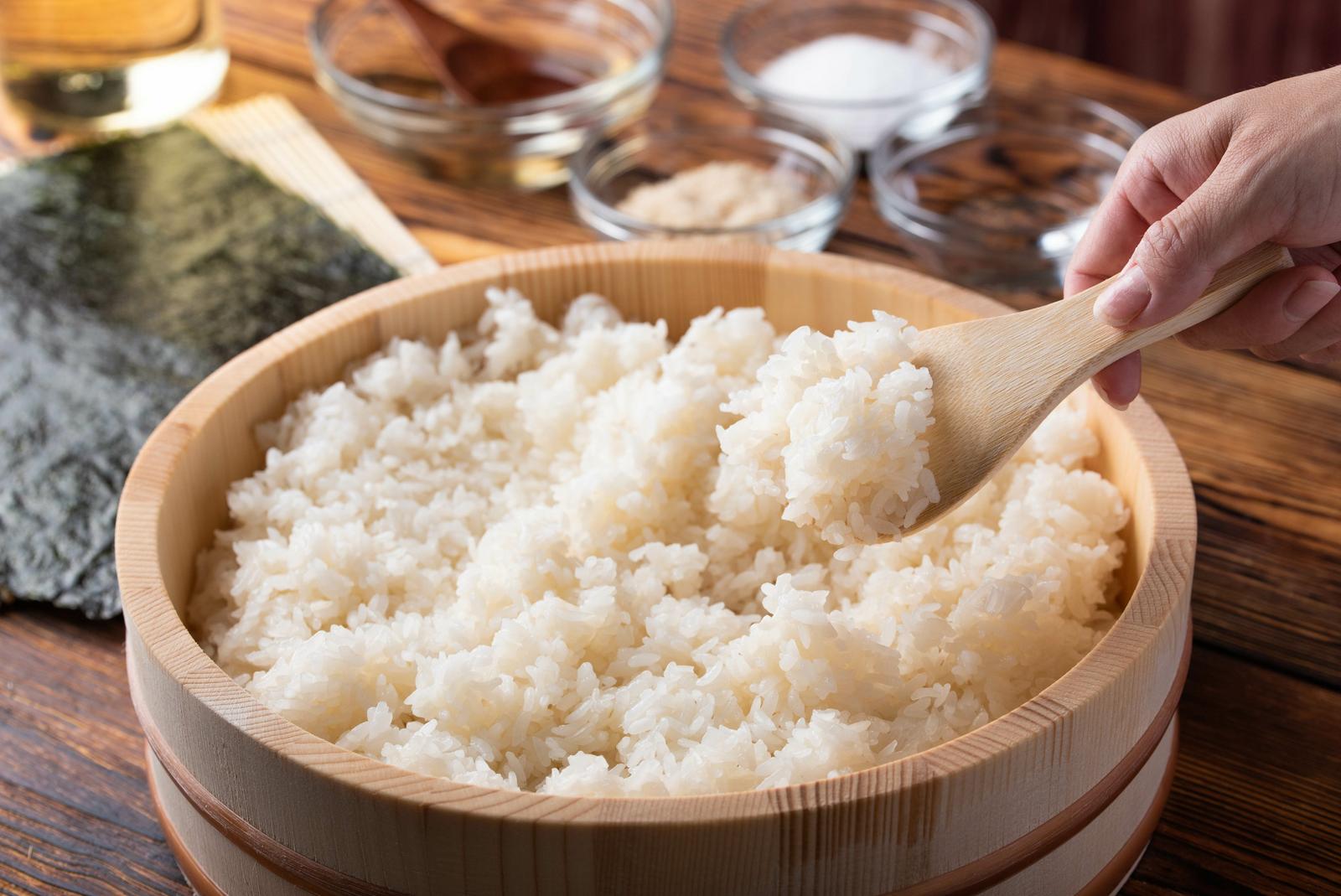
If you have ever wondered how to make sushi rice, it is easier than you think. All you need to do is add rice vinegar, sake, salt, and sugar to boiled Japanese rice and mix it through. Sushi vinegar is a mixture of rice vinegar, sake, salt, and sugar, which serves to make the process of making sushi rice even easier. This vinegar in the rice prevents the fresh fillings from becoming spoiled, as well as giving the rice a refreshing flavour that nicely balances most standard sushi fillings.

Drink
The Japanese often drink vinegar straight, under the belief that it will prove beneficial to their health. If drinking straight vinegar (even mild vinegar like rice vinegar) does not appeal, the vinegar can be diluted with water or mixed with sweet juices or honey. Indeed, adding vinegar to some fruit juices works well as a way of reducing their sweetness.
Cooking
As well as adding a subtle hint of acidity to simmered foods (nimono) and salad dressings, the acids in rice vinegar are good at tenderising food and eliminating odors from meat and seafood, which makes it an ideal ingredient in marinades. As a vinegar, it is a great pickling agent for making tsukemono (Japanese pickles), and it similarly can be used to make sunomono; semi-pickled dishes where the vinegar acts as a seasoning in itself.
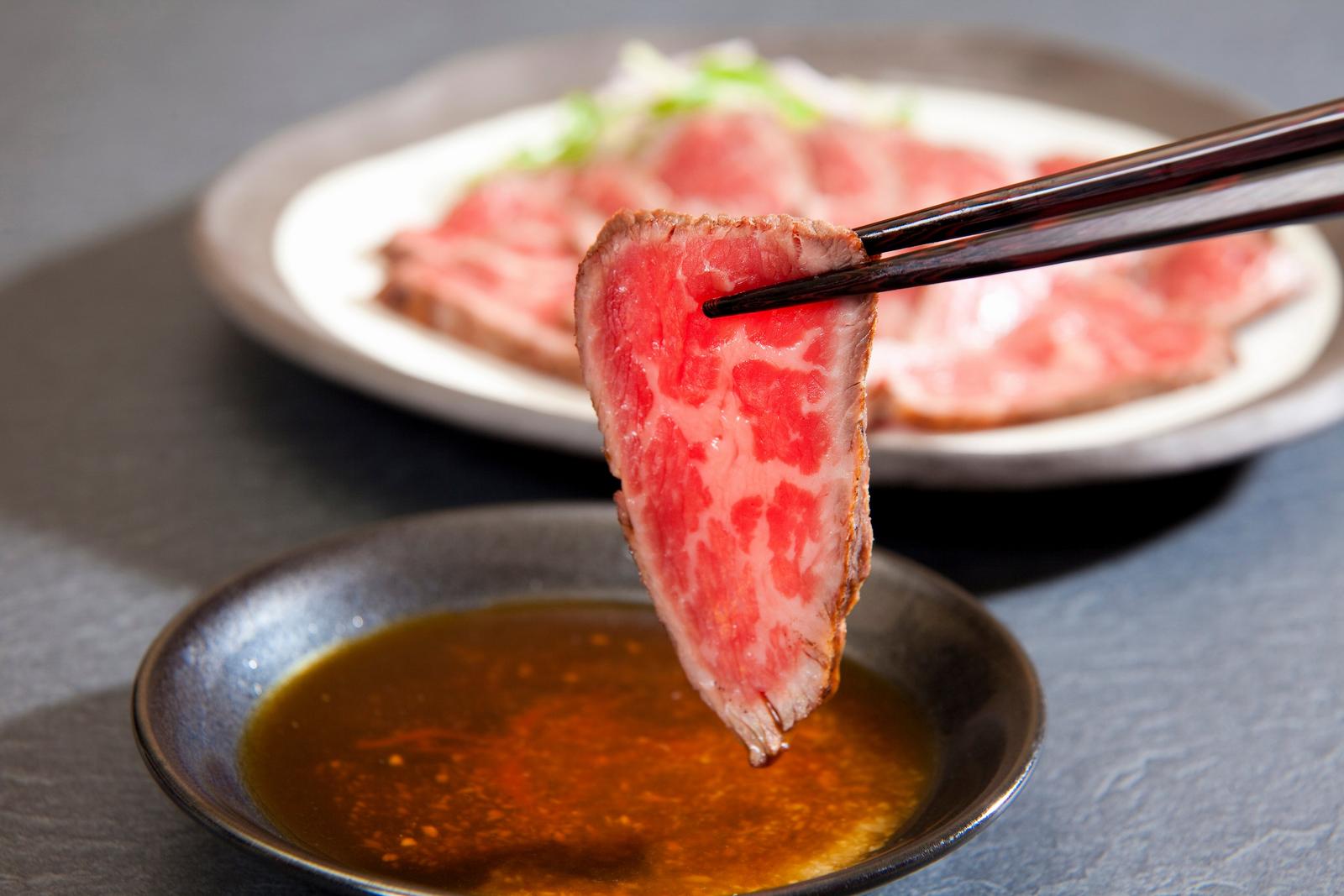
Ponzu
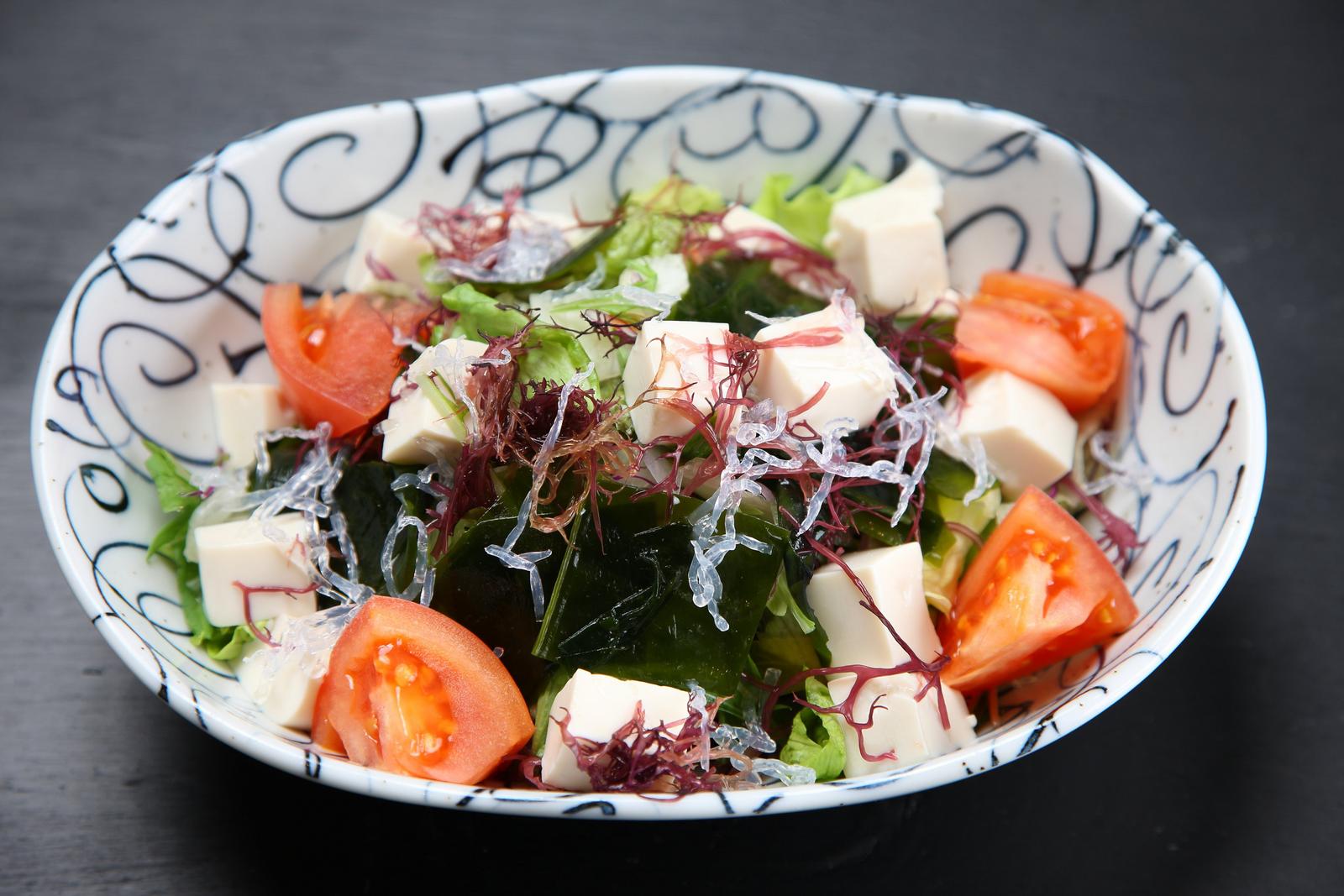
Ponzu is a popular vinegar-based dipping sauce or dressing served with sashimi, tataki (lightly grilled and sliced meat or fish), and nabe hot pots. It is made from a combination of rice vinegar, mirin rice wine, dashi, and citrus fruit, and often mixed with soy sauce. Its strong, striking flavour makes it a perfect counterbalance for the delicately flavoured raw (or only slightly cooked) foods it is often served alongside.