

New Year (Shōgatsu) is celebrated from 1st – 3rd January in Japan, bringing families together to mark the end of the year, and to celebrate the start of a new and prosperous one.
Although [Christmas is celebrated](en/blog/2021/12/08/celebrating-christmas-in-japan "Celebrate Christmas in Japan") (with festive markets, seasonal food, illuminations, parties and gift-giving) Shogatsu is the most important celebration in the Japanese calendar. It’s a national holiday, meaning that businesses close for three days, and families have the chance to enjoy traditional customs; from visiting shrines and watching the sun rise, to eating delicious food and sending out greetings cards.
Hatsumode: first temple visit of the year
During Shogatsu, millions of people flock to shrines or temples for their first visit of the year (Hatsumode) to harness good luck and fortune for the year ahead. On the stroke of midnight, many Buddhist temples ring out the old year by chiming a large bell 108 times. Known as Joya no Kane, this custom is rooted in the Buddhist belief of bell-ringing to purify the soul and discard 108 earthly desires.
One of Japan’s most popular Buddhist temples is [Sensoji Temple](https://www.senso-ji.jp/english/ "Sensoji Temple") in Tokyo, attracting huge numbers of visitors over the holiday period to pray for safety, good health and good harvest throughout the coming year.
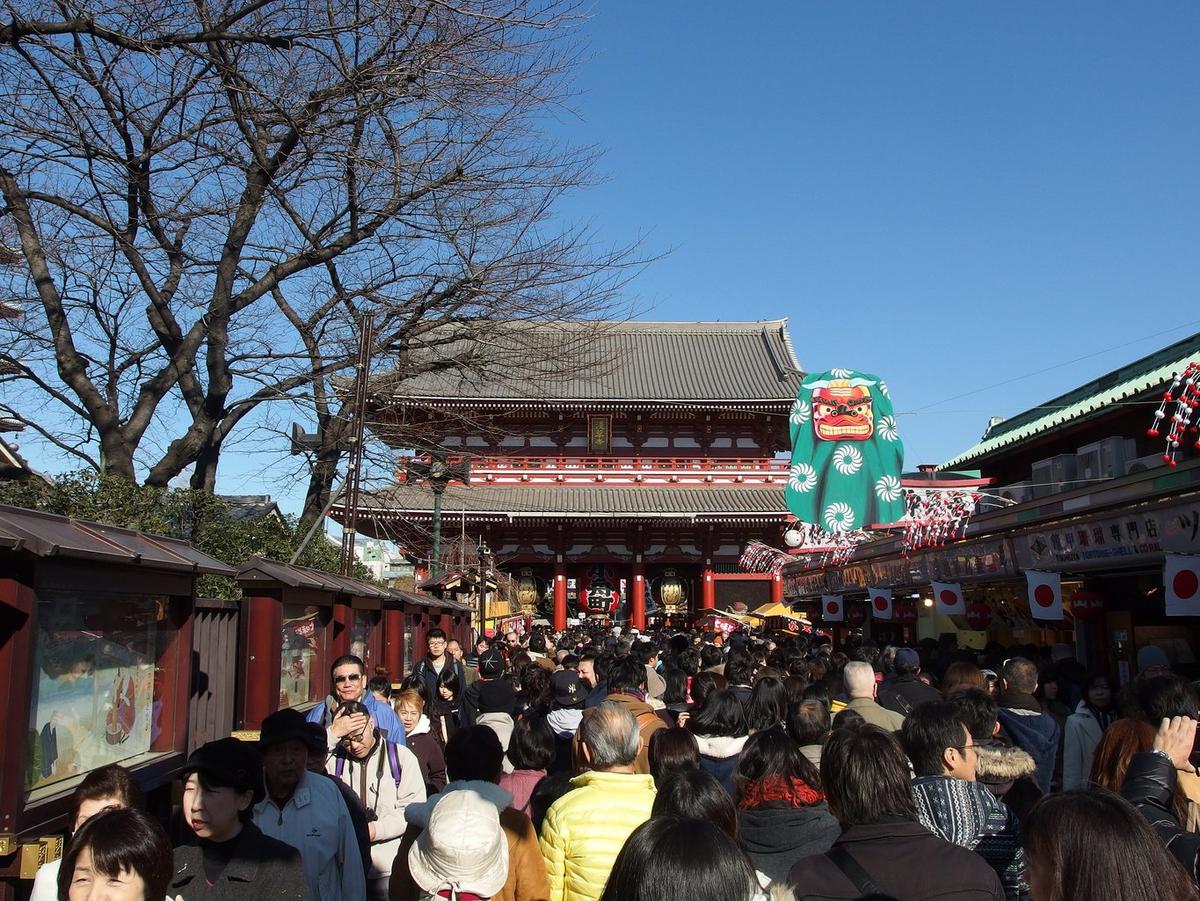
New year at Sensoji by Guilhem Vellut: https://flic.kr/p/iUwnWd
If you’re not too tired after your late night temple visit, then you may want to get up early to watch the sun rise too. Known as Hatsuhinode, this is another traditional way to welcome in the new year.

Fuji morning by mariusz kluzniak: https://flic.kr/p/mtLEVv
Symbolic decorations
New Year’s decorations are full of symbolism in Japan and one of the most popular is Kadomatsu – an ornament which consists of three bamboo shoots, plum tree branches, and pine. Kadomatsu are often placed in pairs at the entrance to homes and businesses as a way of welcoming the Shinto Gods and bringing prosperity and longevity for the new year.
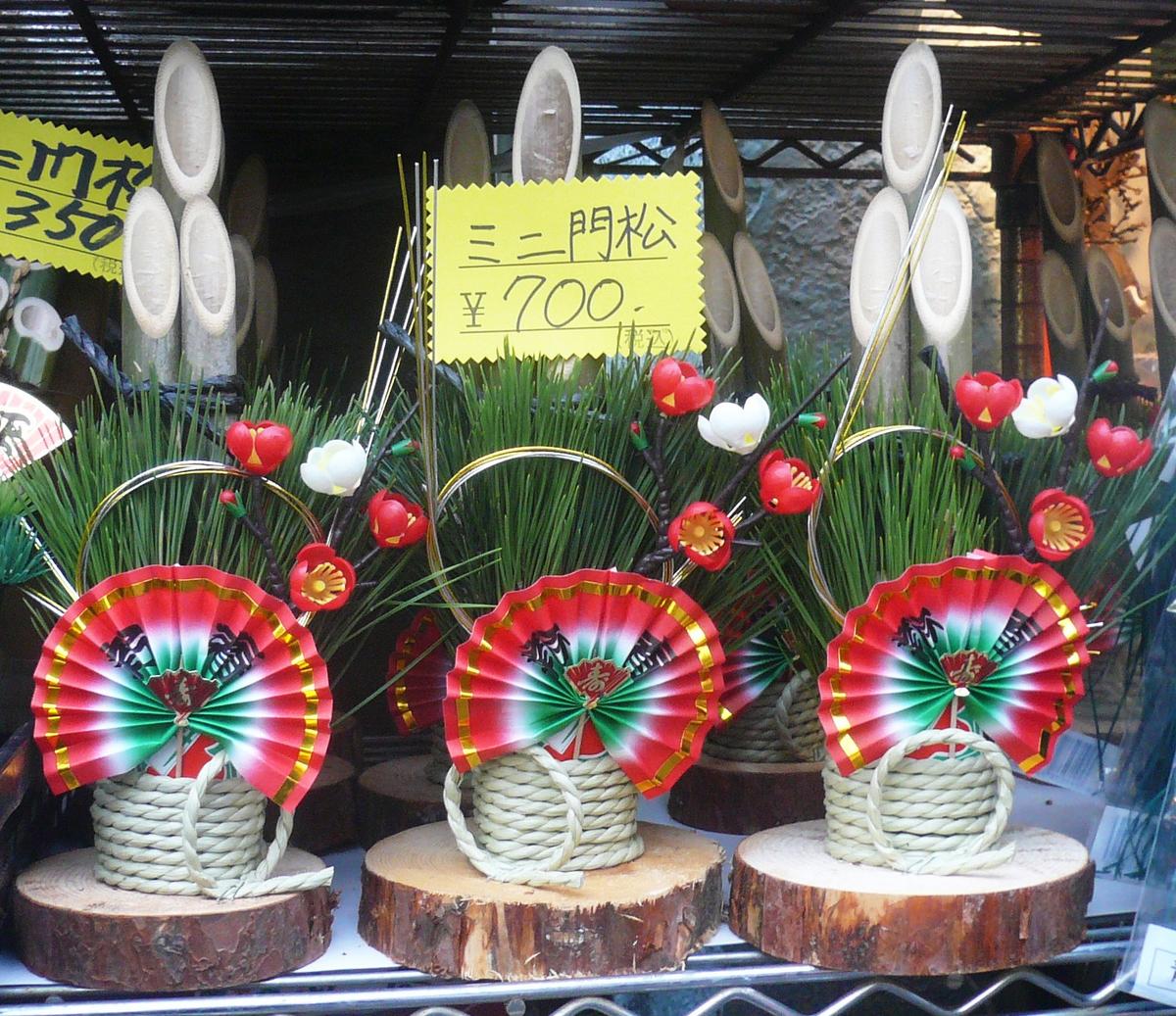
Nesnad, CC BY 3.0 https://creativecommons.org/licenses/by/3.0, via Wikimedia Commons
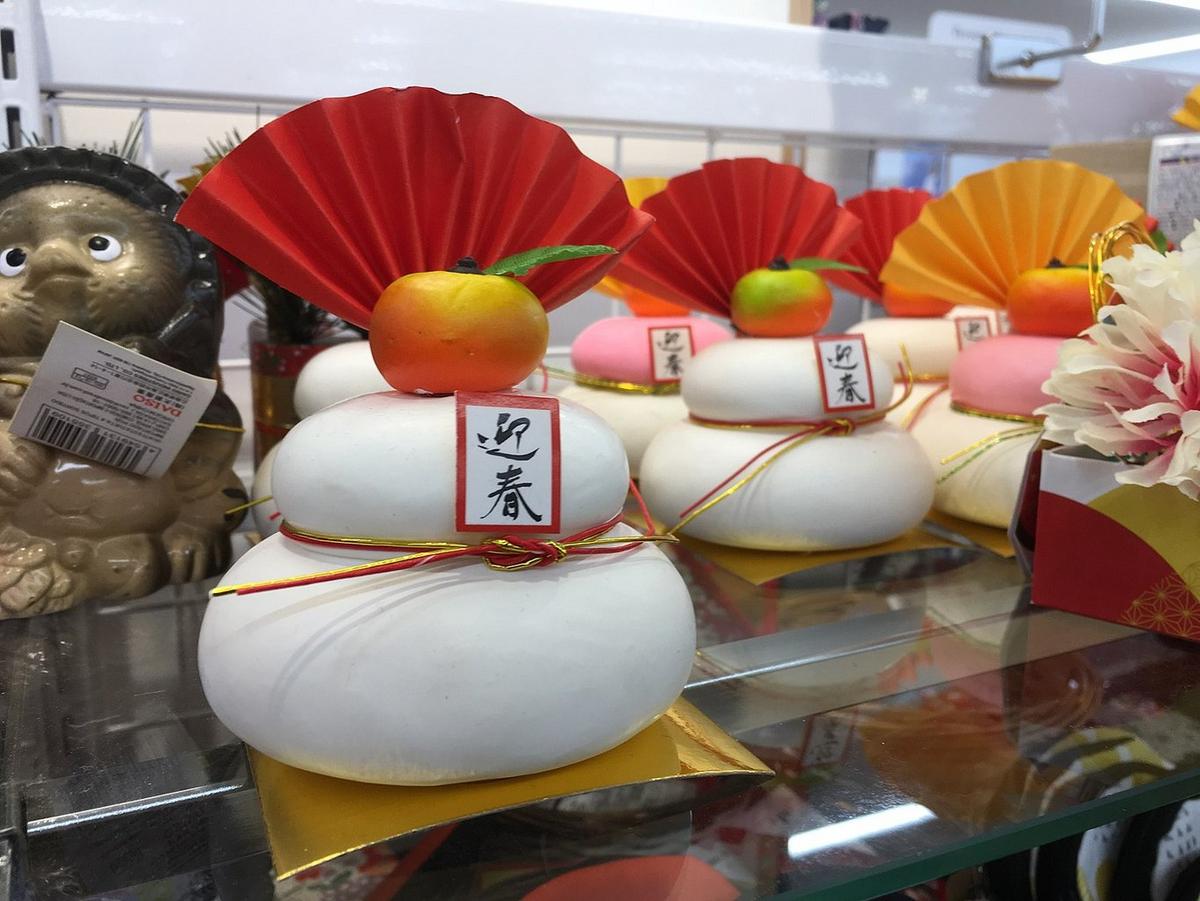
Kagami Mochi, Nesnad, CC BY 4.0 https://creativecommons.org/licenses/by/4.0, via Wikimedia Commons
Kagami Mochi (mirror rice cake) decorations are placed on Shinto altars in family homes as an offering to the deities. They take the form of two circular rice cakes topped with a bitter orange and are traditionally broken and eaten on the 15th day of the New Year to bring good luck.
Games and entertainment
Move over Jools Holland! In Japan, the New Year’s TV programme to watch is NHK’s Kohaku Uta Gassena. Launched in 1959 it features a musical ‘battle’ between two teams (red and white) consisting of Japan’s most popular recording artists. Kite flying (Takoage), the racket sport Hanetsuki and a card game called Karuta are some of the traditional games enjoyed during New Year celebrations.

Kite by Yamashita Yohei: https://flic.kr/p/tDHEU
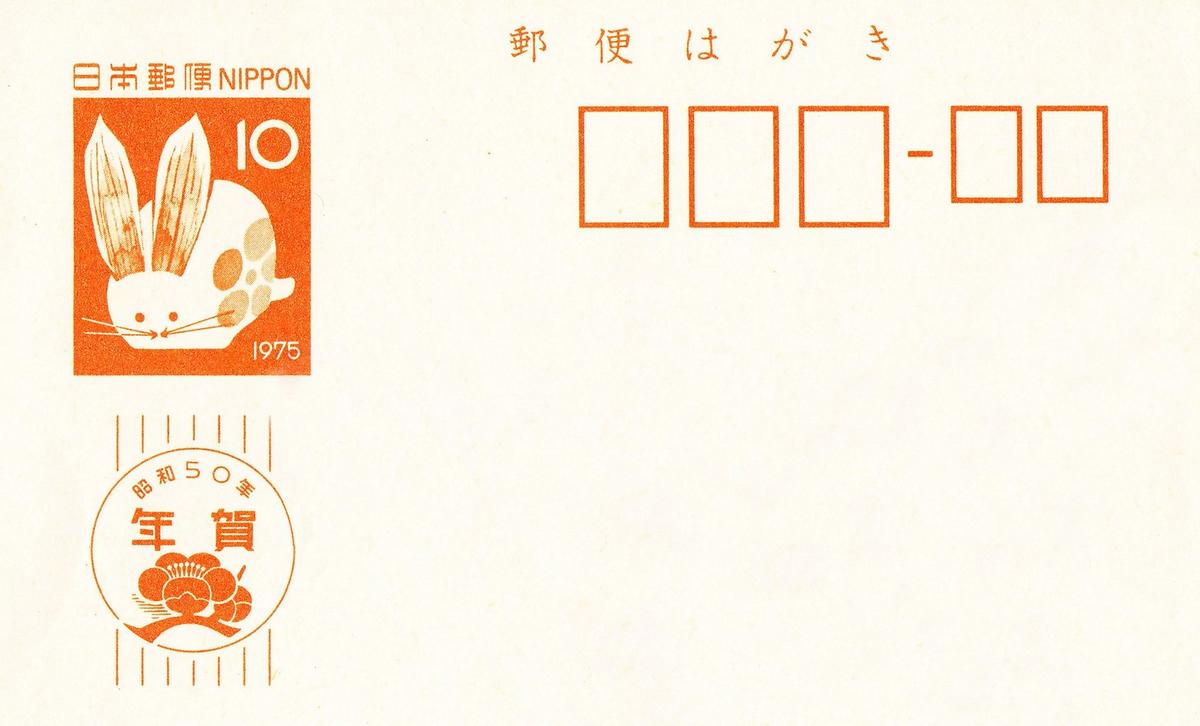
Japanese postcard by Stuart Rankin : https://flic.kr/p/jrBFVv
Nengajo: New Year’s greetings cards
Sending greetings cards to friends, family, and colleagues is one of the most popular Shogatsu customs, dating all the way back to the Heian era. Despite the fact we are now in a digital age, sending cards (Nengajo) is a tradition that is still going strong today. Cards are usually sent out between 15th and 25th December and are marked with nenga (年賀, meaning new year’s greetings) so that they can be kept until their delivery on New Year’s Day.
Celebrating with food
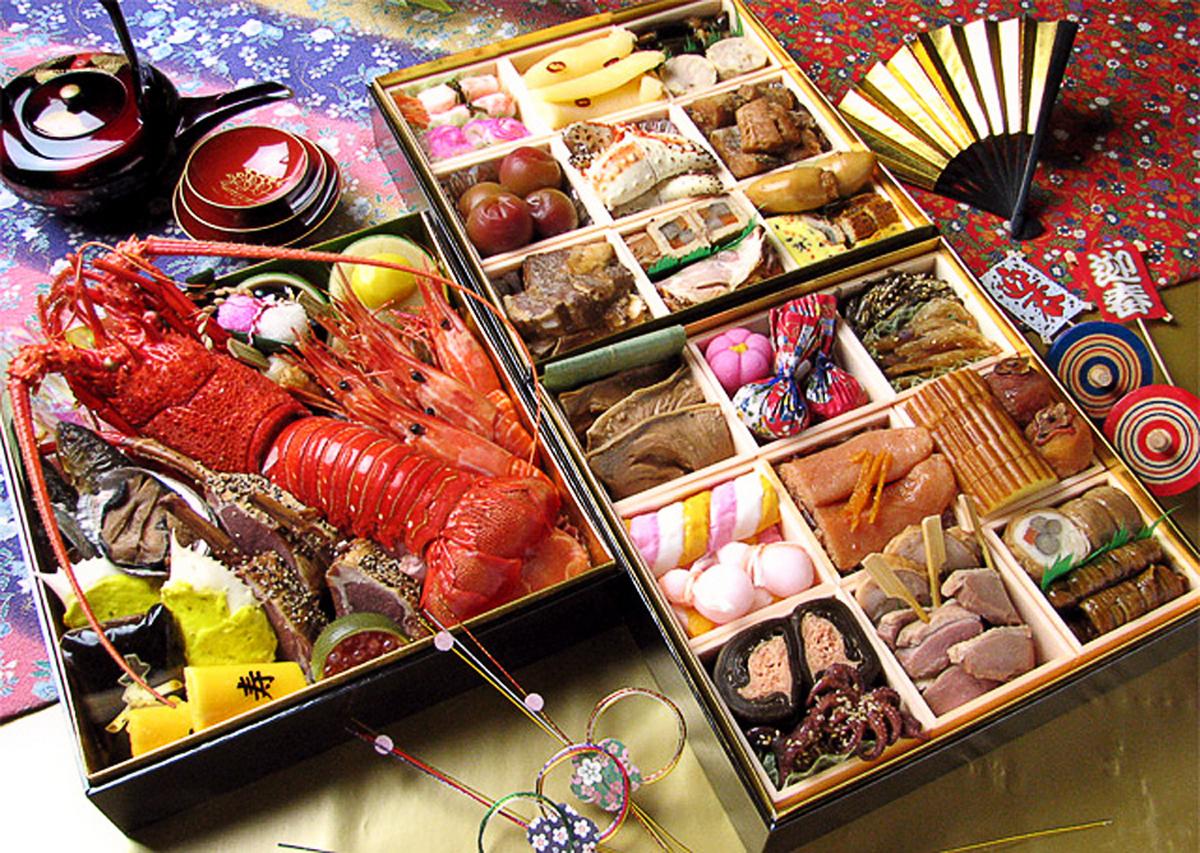
Food is an integral part of Japanese culture, so it will come as no surprise that Shogatsu has its very own array of delicious dishes. Osechi Ryori is an intricately prepared feast eaten with family and friends during the New Year, served in layered lacquered boxes called Jūbako . Traditionally, osechi are stacked in five boxes, with the bottom layer kept empty to receive blessings from Shinto deities. Each layer contains either five, seven or nine individual dishes (considered lucky numbers in Japan), and the dishes themselves all have their own symbolic meanings.
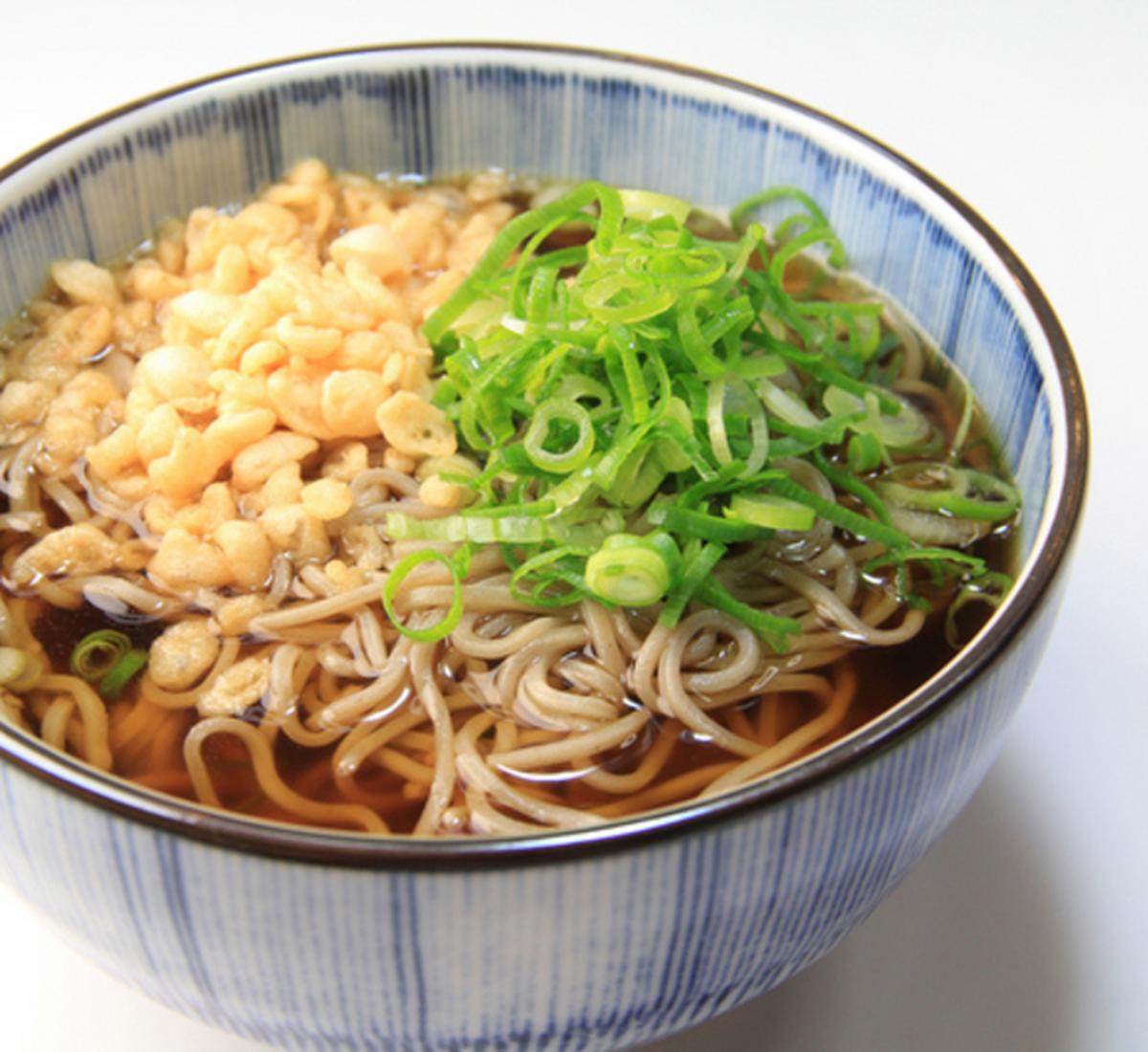
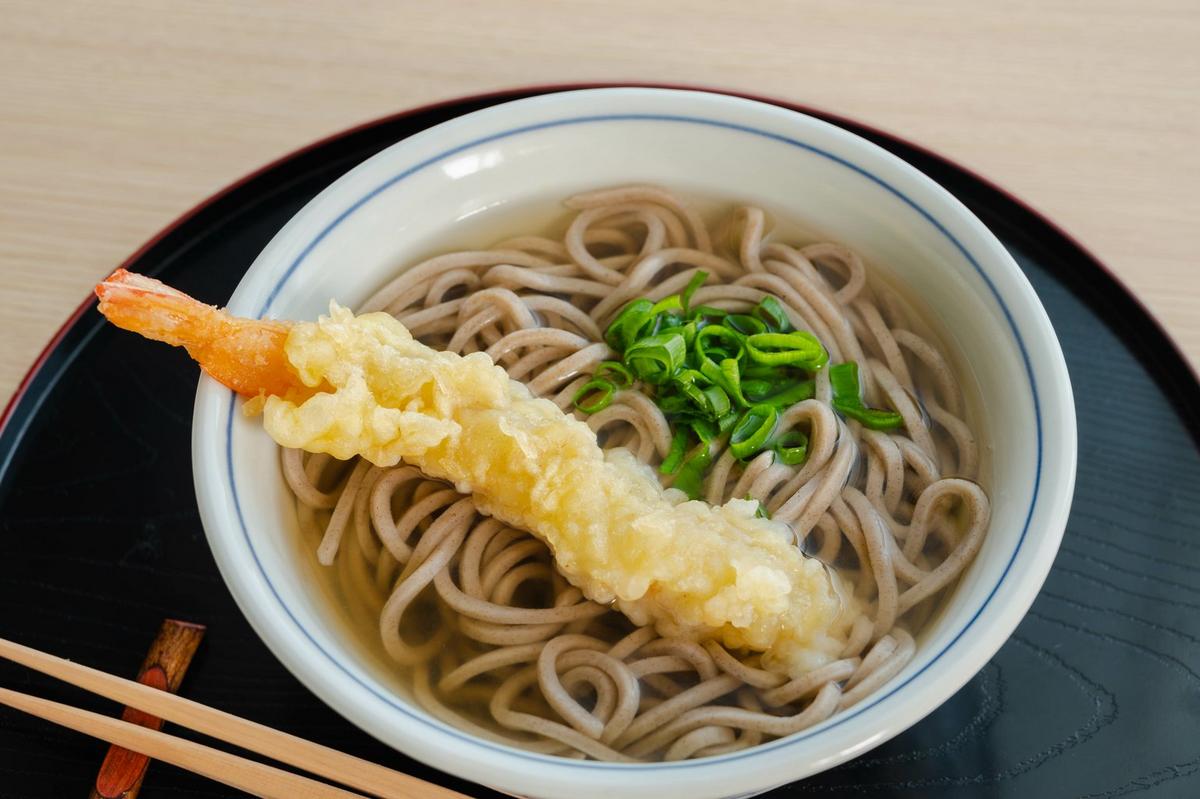
Slurp in the new year with toshikoshi soba noodles. A traditional dish eaten on New Year’s Eve, these ‘year crossing noodles’ are a quick and easy meal to prepare before the indulgence of Osechi on New Year’s Day.
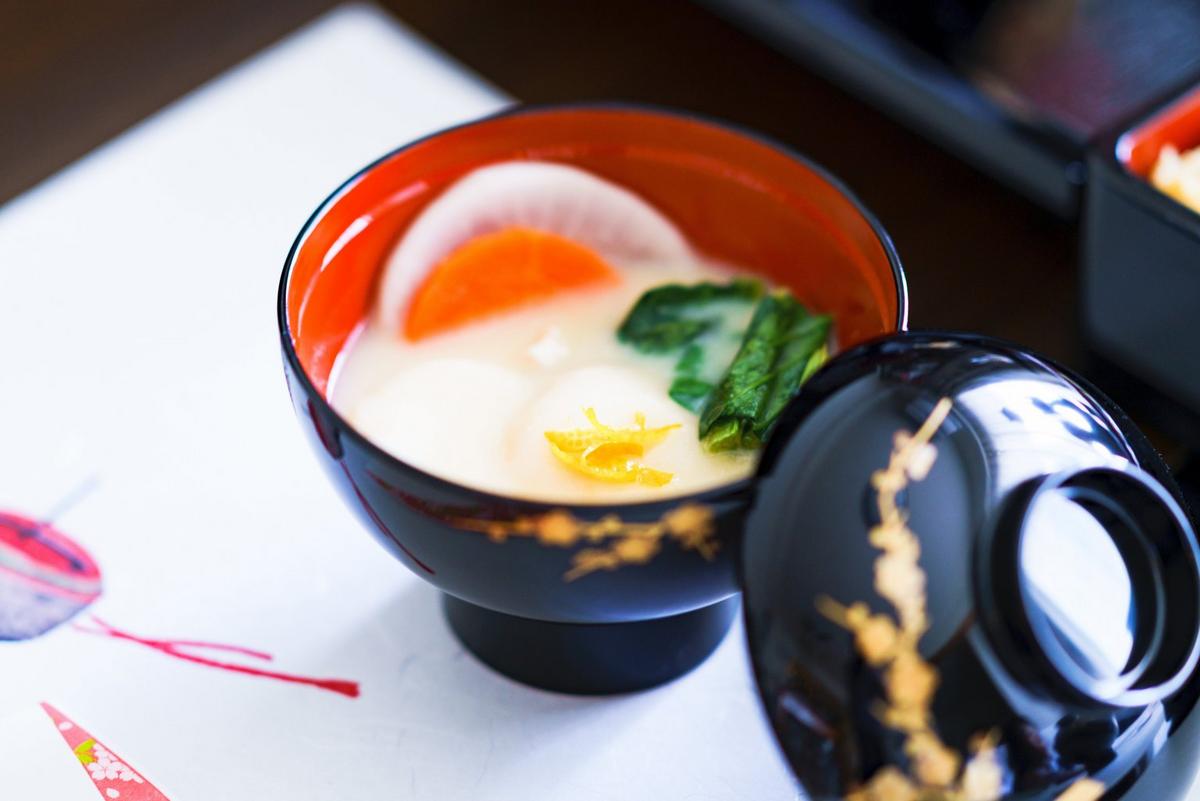
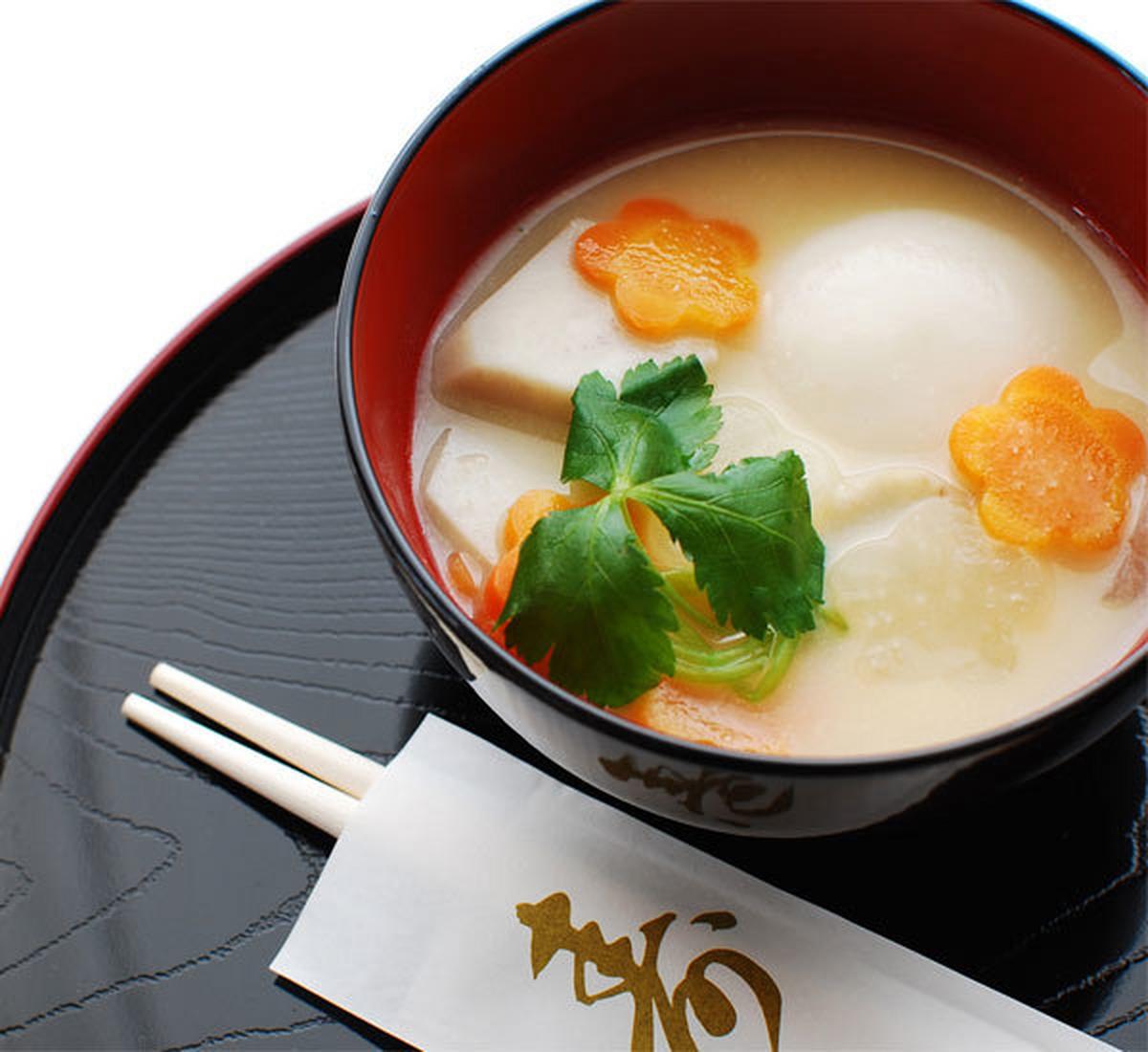
On New Year’s morning, enjoy a tasty ozoni soup made from miso, dashi, root vegetables and mochi (rice cakes). Enjoy all this and more by shopping in-store at Japan Centre Leicester Square, Westfield London and Westfield Stratford City. Alternatively you can get fresh produce delivered straight to your door by shopping online at the Japan Centre website.
Words by Emily Lovell
On New Year’s morning, enjoy a tasty ozoni soup made from miso, dashi, root vegetables and mochi (rice cakes). Enjoy all this and more by shopping in-store at Japan Centre Leicester Square, Westfield London and Westfield Stratford City. Alternatively you can get fresh produce delivered straight to your door by shopping online at the Japan Centre website.
This article appears in
- Winter in Japan
- Japanese festivals
- Japanese culture and lifestyle
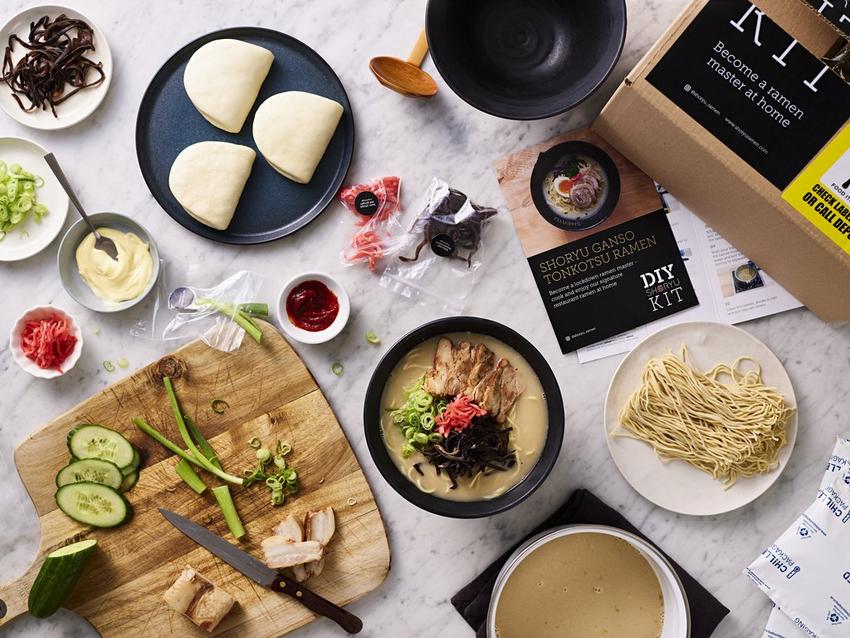 New arrivalsDiscover our newest arrivals from Japan
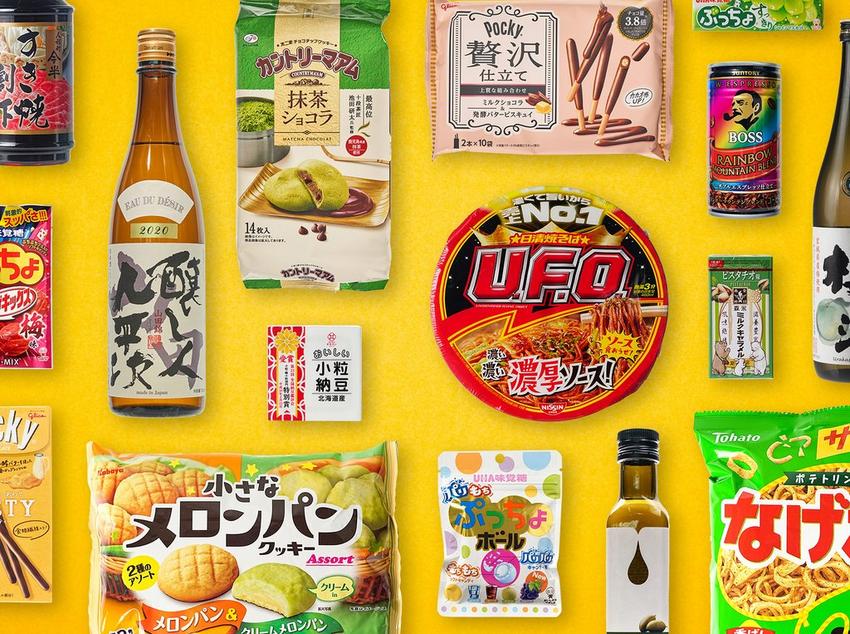
More inspiration...よりたくさんのインスピレーション
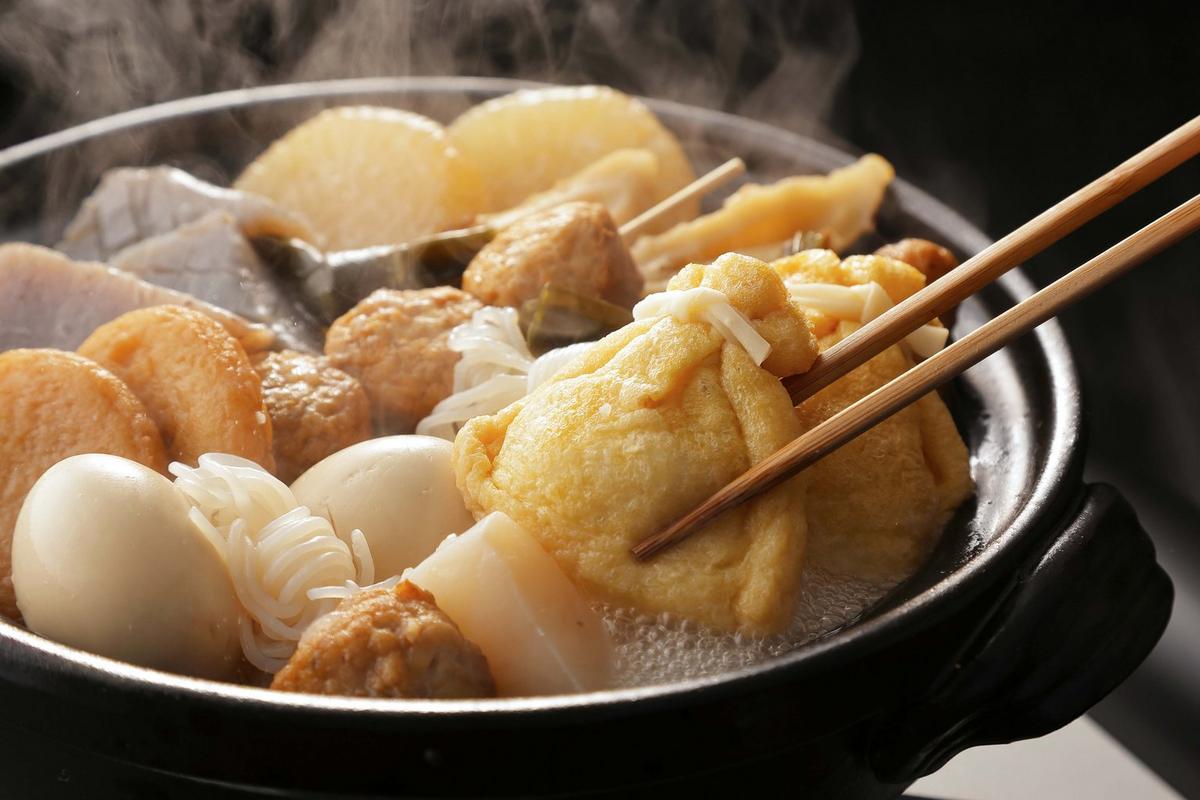
Top 5 Japanese dishes to try this winter
As autumn passes the baton to the winter months and temperatures inevitably drop, many of us find our will to go out and explore diminish. However, keeping cosy inside the house doesn’t mean you can’t explore the wonderful world of Japanese cuisine.
Read more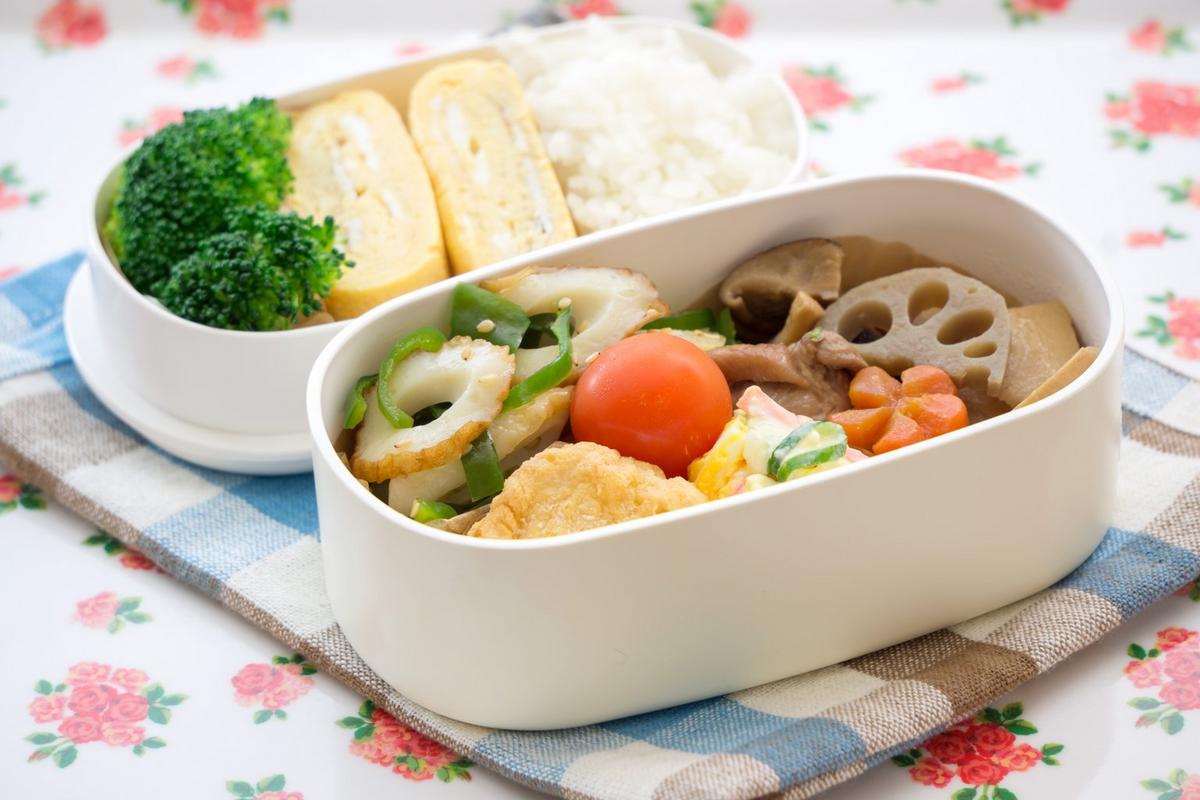
Winter bento
UK's premier Japanese Food Hall. Next Day Delivery of Japanese cooking ingredients, fresh and bakery foods and everyday groceries.
Read moreJapanese Winter Recipes
What can be more comforting than hearty warm soup in the winter? Find out how to make nabe hotpot, oden and all the classic Japanese soup dishes.
Read moreJapanese Christmas Recipes
Get festive in the kitchen with our Japanese recipes including Christmas tree curry rice, seasonal starters and so much more.
Read more
5 unique Japanese Christmas traditions
With December finally here and Christmas decorations up in full force, it’s only fitting that here at Japan Centre we talk about some Christmas traditions unique to Japan.
Read more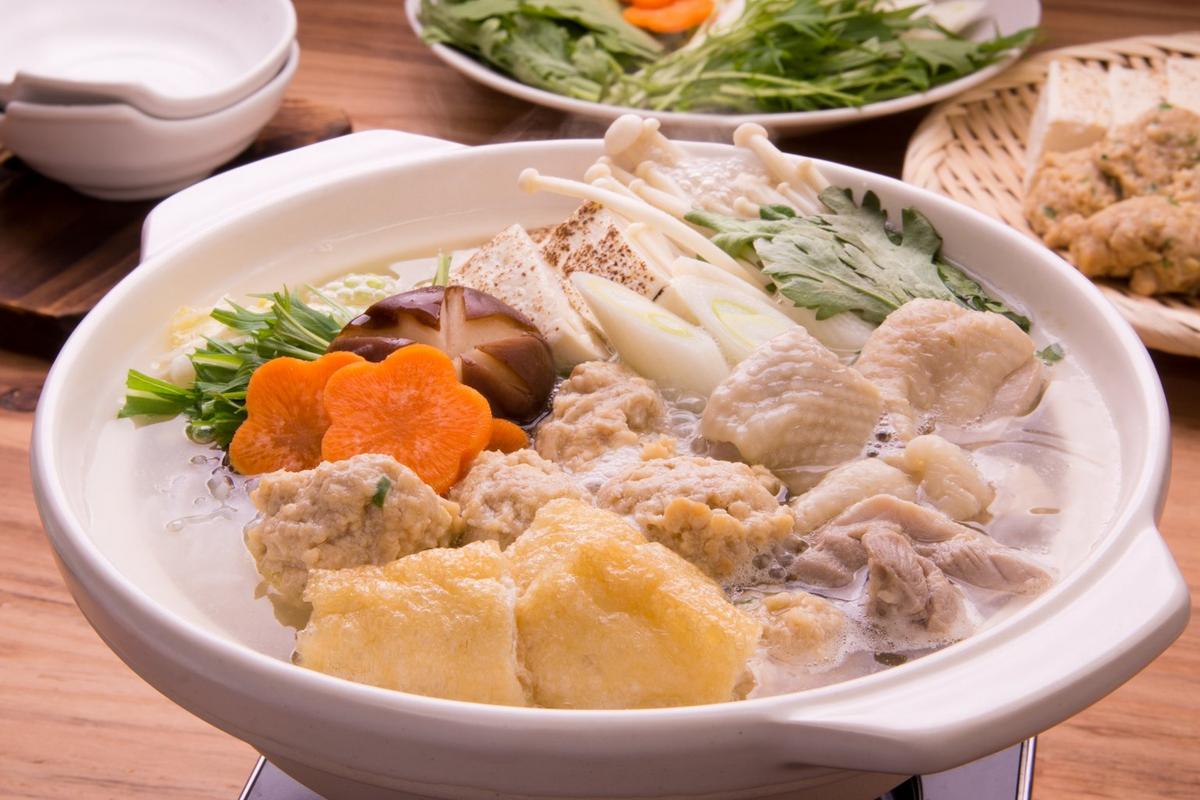
Chanko nabe hot pot
The Japanese food loved by sumo wrestlers, this chanko nabe hot pot recipe is full of fresh seafood, vegetables, and shirataki noodles.
Read more